
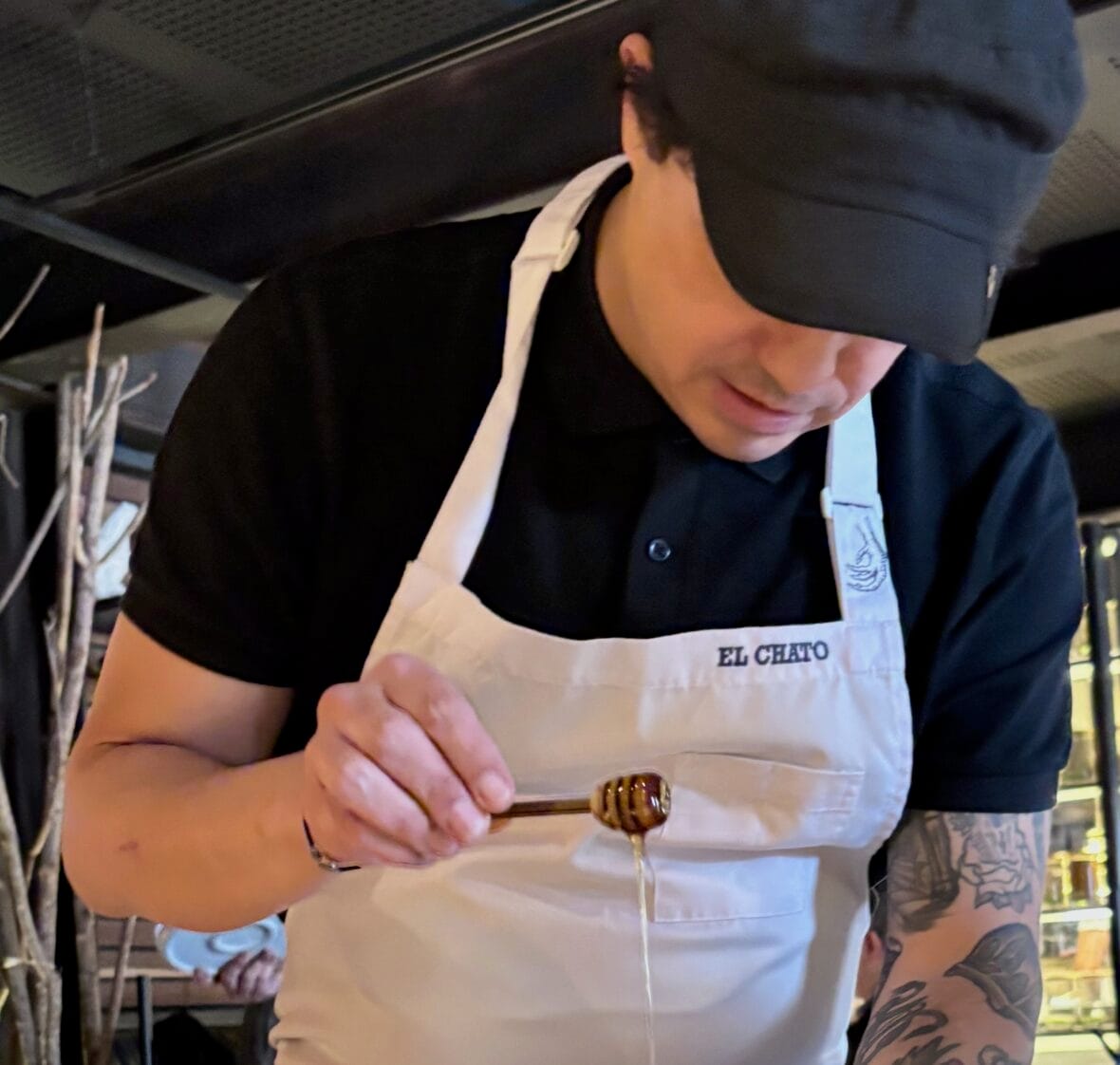

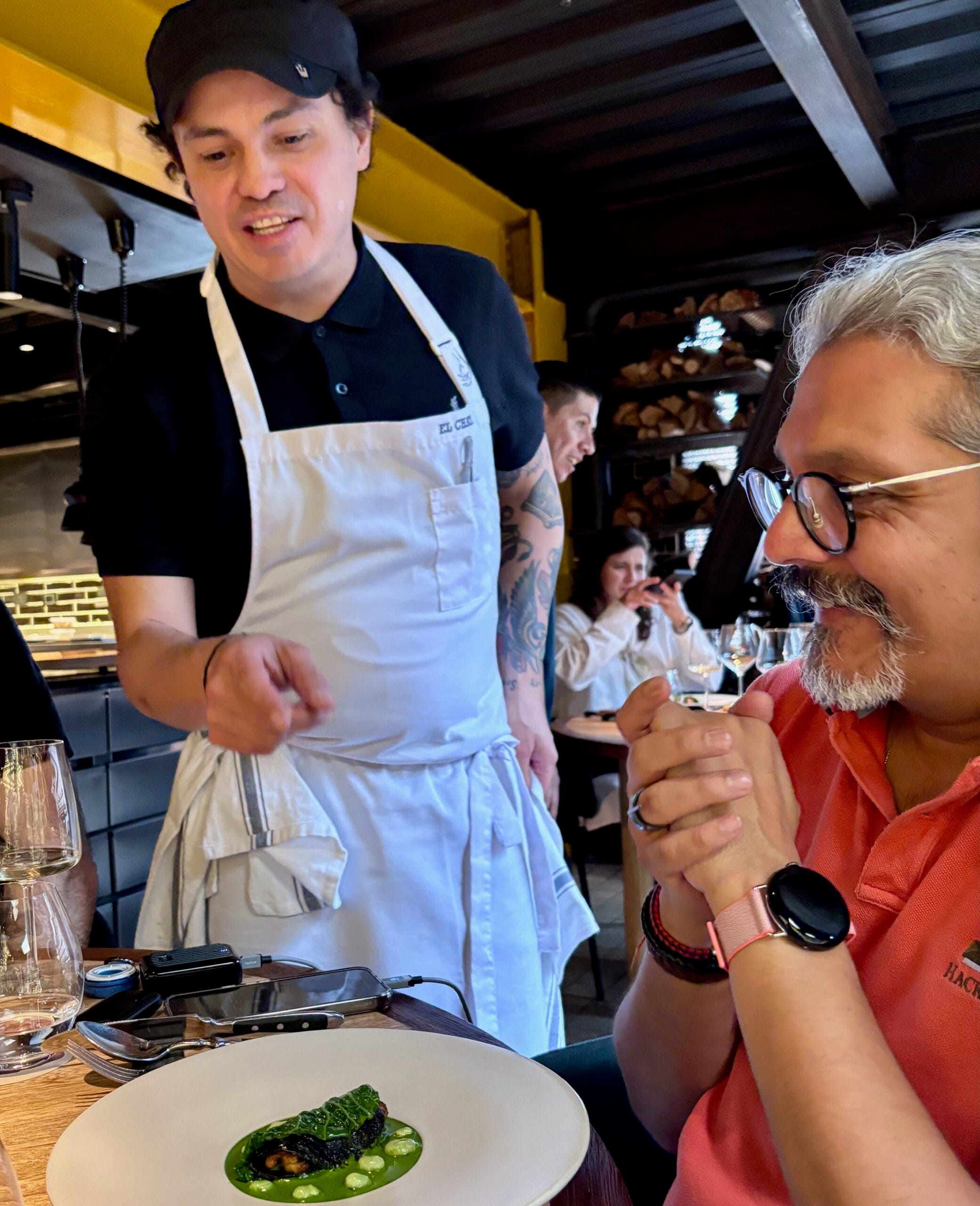
Chef Álvaro Clavijo explains a dish from his tasting menu while speaking with Sid Jalan, a World’s 50 Best Restaurants Academy Chair, at El Chato in Bogota. (Adrian Brijbassi photo for Vacay.ca)
People exist in the world who radiate their nationality. Massimo Bottura is unmistakably Italian. Paul Hogan was a quintessential Aussie. Bono is deeply Irish. Mike Myers exudes the easygoingness and good humour of a Canadian.
So it is with Álvaro Clavijo. Having observed him closely for three days I was struck by his cheerfulness, fun-loving nature, seeming lack of worry, yet passion for detail and perfection in his work. The world has observed those traits in Colombia’s greats: Noble Prize-winning author Gabriel Garcia Marquez, artist Fernando Botero, and superstar singer Shakira, a prolific songwriter. Clavijo is young and has years to go before he can definitively join such legendary company, but he’s on that trajectory.
His restaurant, El Chato, was named No. 1 on the 2025 Latin America’s 50 Best rankings, propelling his star beyond his homeland and his kitchen. Chefs from India to America want to cook with him, a TV series is in production featuring his life in and out of the restaurant, and his reputation as an innovator and culinary groundbreaker is discussed in circles of foodies around the world.
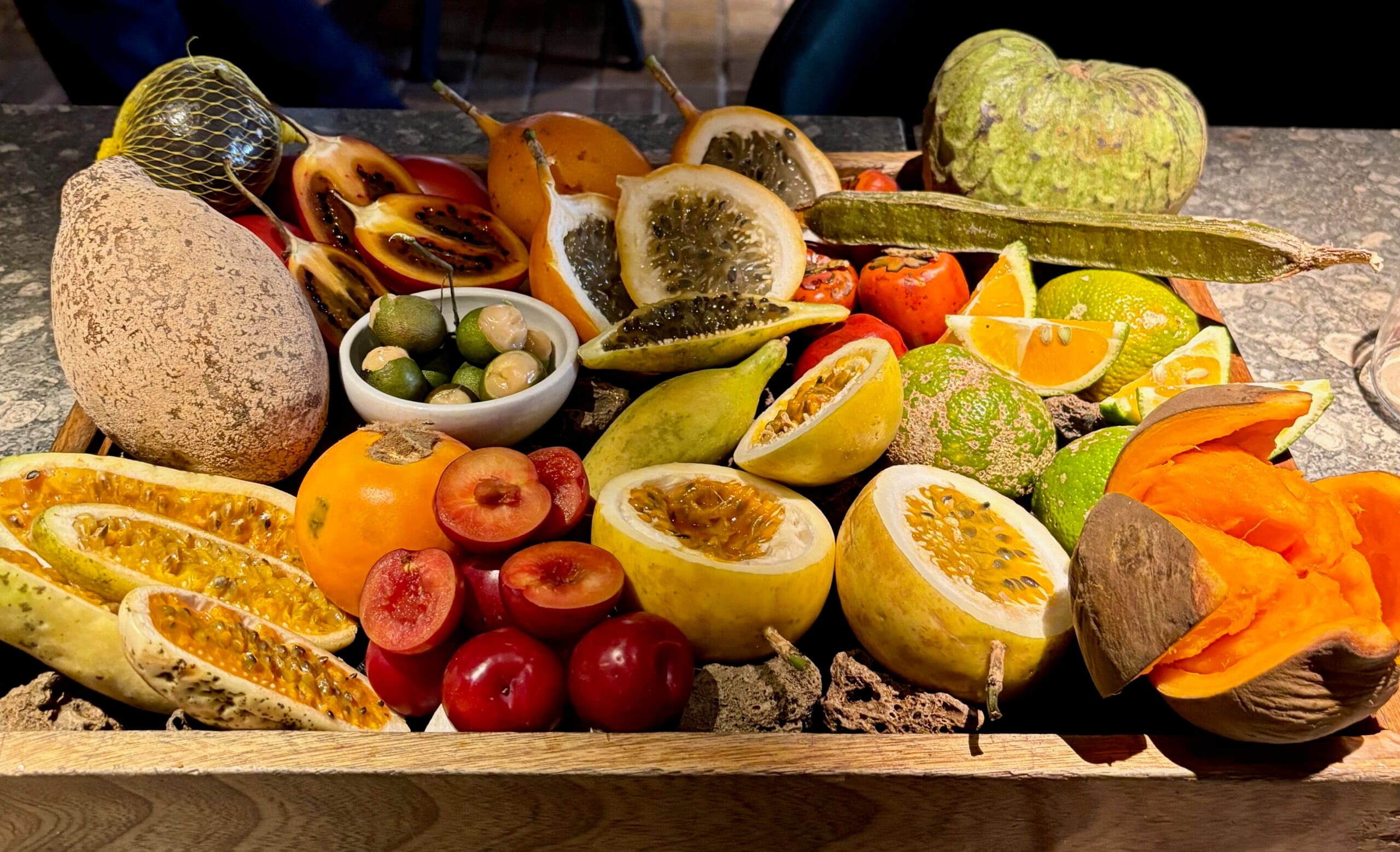
A platter of exotic fruits from Colombia are displayed at El Chato during a seminar on the biodiversity of Colombia. (Adrian Brijbassi photo for Vacay.ca)
Clavijo is a force. One who has had to accept risks and adapt to challenges — a high-end ice cream machine kept his business alive during the government shutdowns that resulted from the COVID-19 pandemic, he says. El Chato opened in Bogota’s Zona G, or Chapinero Alto district, in 2017 when the neighbourhood had no notable dining outlets. It started as an à la carte operation, then quickly transitioned to a split-level enterprise. The ground floor continues to offer a regular menu at reasonable prices in part because Clavijo wants Colombians to afford his food. The second floor was renovated to have an open kitchen and approximately 30 seats, filled with gourmands from around the world enjoying the tasting menu of El Chato’s finest plates.
It is in this space where I taste his food for the first time and immediately understand the reasons for his notoriety. Clavijo’s experience at places like Noma and Per Se is reflected in the creativity on the plate. A circle of crab is served entirely covered beneath a colourful spread of carrot and plantain. A large snail whose name translates to “donkey’s foot” is plated with chicharrón and seaweed, which accentuates the umami of the gastropod.
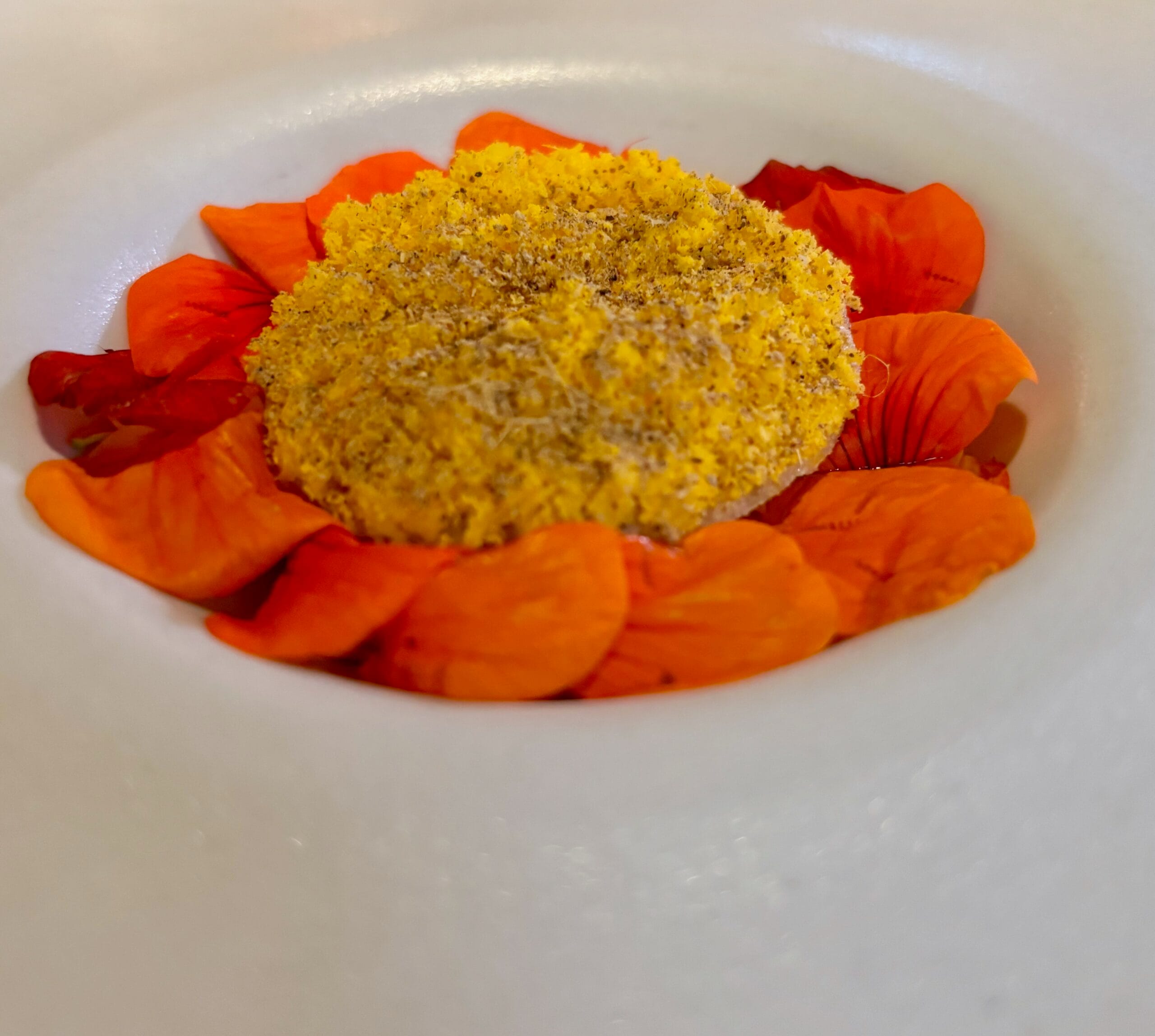
The crab dish At El Chato is served with a bright spread of carrots and plantain. (Adrian Brijbassi photo for Vacay.ca)
What’s most impressive about Clavijo’s cooking, though, is his insistence on celebrating the products from his own nation. “You can’t have a Colombian restaurant without a chicken-and-rice dish,” he proclaims, and later serves his Hen course, which is thin slices of poultry meat surrounding a spoonful of glutinous rice and strings of purslane. It’s a serving that is indicative of Clavijo: artistic, true to Colombia, playful, and comforting.
“When I came back from Europe, I wanted to take all of these ingredients we have around us and bring Colombian food up to that level that I saw in France and other places,” he says. “I love it here because I can get what I want all year long. I change the menu every three or four months only because I get bored, not because I run out of any ingredients.”
View this post on Instagram
He doesn’t get complacent either. After expanding El Chato, he launched Selma on the same block. It is a casual restaurant that focuses on Clavijo’s interpretation of traditional Colombian and Latin American favourites. A couple of doors down from there is newly opened Ruda Bar, named after the leafy, reed-like plant that is speculated to ward off bad spirits.
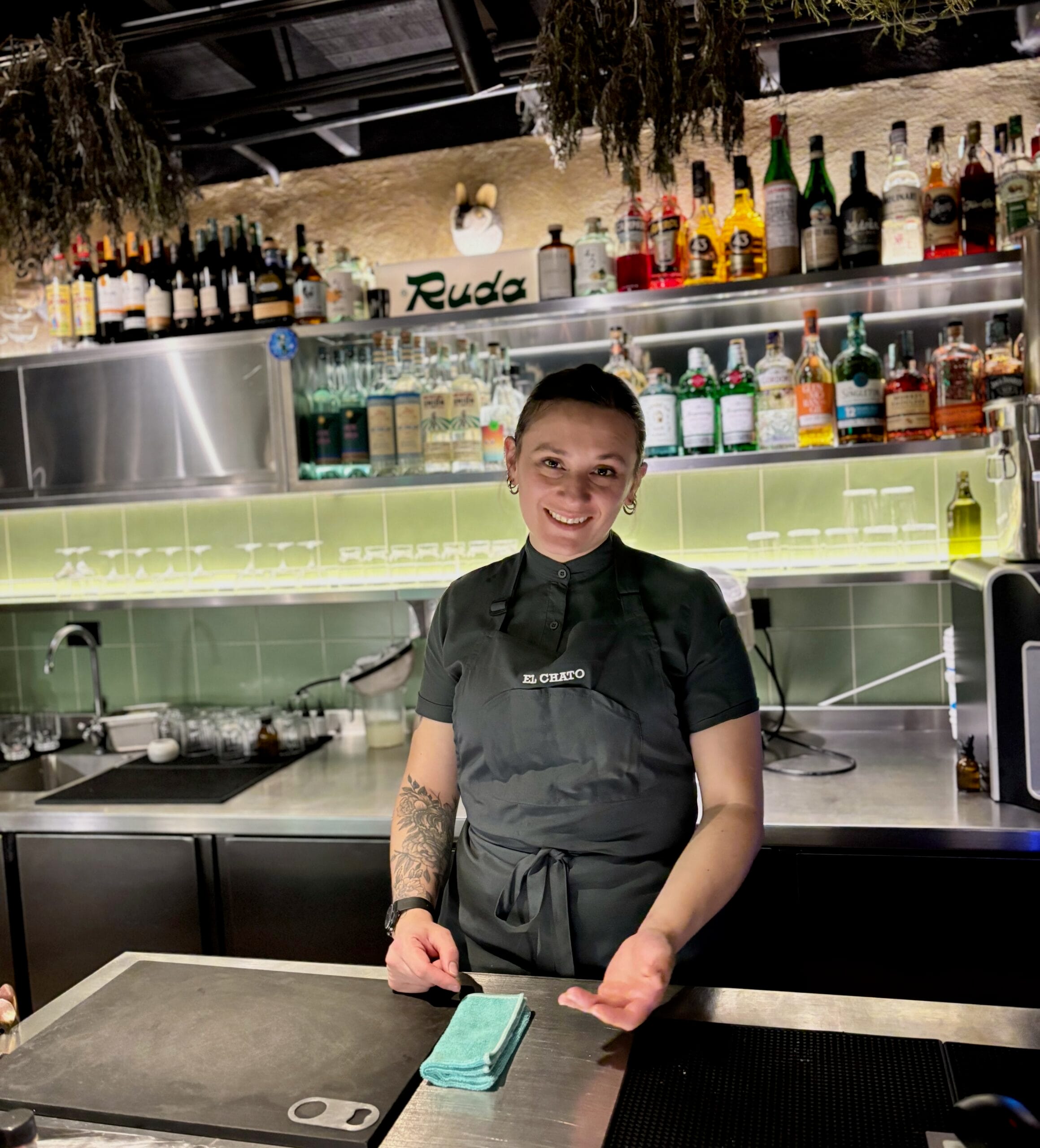
Andy Blanco Villamil is the beverage director at El Chato and newly opened Ruda Bar. (Adrian Brijbassi photo for Vacay.ca)
Bringing goodness — Colombian goodness — to the table comes across as Clavijo’s mission. It’s a calling that seems fated. He had left Colombia to pursue a culinary career in Europe, but delays on a renewal of his work permit kept him in Bogota. He decided it was time to stay and build the gastronomy scene in a city that was seeing improvements in infrastructure, political stability, and residential wealth. Bogota also has the benefit of a lush, moderate climate that keeps produce production consistent year-round. Plus, there is the excitement of a new food landscape for a fine-dining chef to discover.
MORE SOUTH AMERICA: Buenos Aires and Football
Unlike Peru, where chefs and food scientists for years have been actively exploring the Amazon region for ingredients and to understand its biodiversity, Colombia continues to have many “eureka!” moments. While large parts of the country’s eastern region remain cut off to the public because they are under control of guerrilla groups, some formerly off-limits locations have opened to exploration. As a result, more plant life is being discovered by the food community and Clavijo is at the forefront of integrating unique fruits and vegetables into the nation’s progressive cuisine.
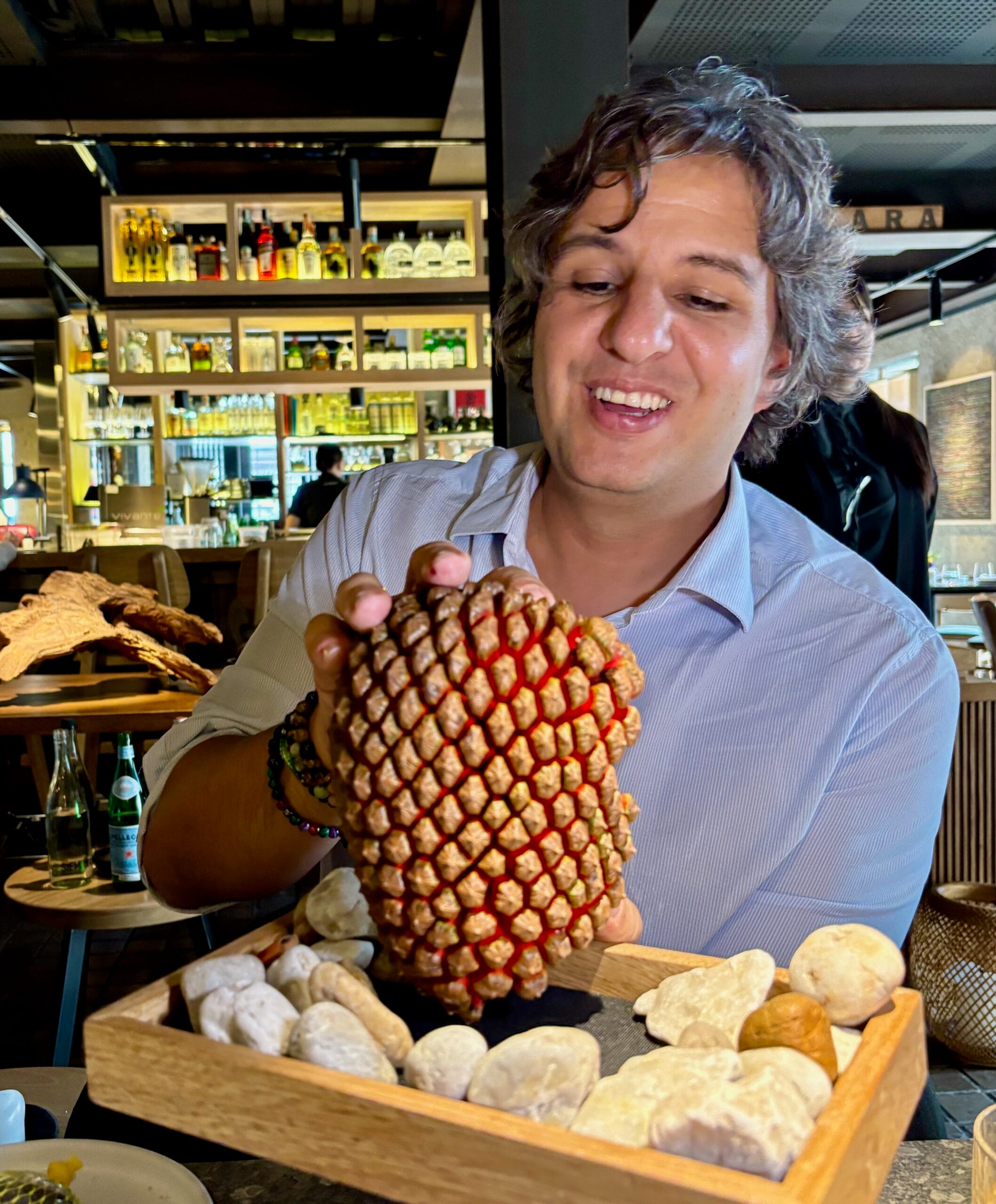
Gian Paolo Daguer is known affectionately as a “fruit influencer” for his devotion to identifying Colombia’s richness of flavours. Here, he shows a recently found honeycomb-shaped fruit from near the Amazon jungle. (Adrian Brijbassi photo for Vacay.ca)
Environmental scientist Gian Paolo Daguer is constantly cataloguing the fruits of his country and bringing his findings back to Clavijo. The chef credits Daguer with connecting El Chato to suppliers who cultivate these products, allowing the restaurant to present to diners a far deeper and far richer expression of Colombian food.
“We can use all this amazing biodiversity to create a new cuisine and new dishes that use these products,” Daguer said during a seminar in April with visiting food and travel journalists at El Chato.
“What he does is connect us to suppliers,” Clavijo says. “He brings these fruits in that he comes across and then puts me in touch with who is growing them. We do so much with fruits here. It’s in everything. Our savoury courses, our desserts, our non-alcoholic program.”
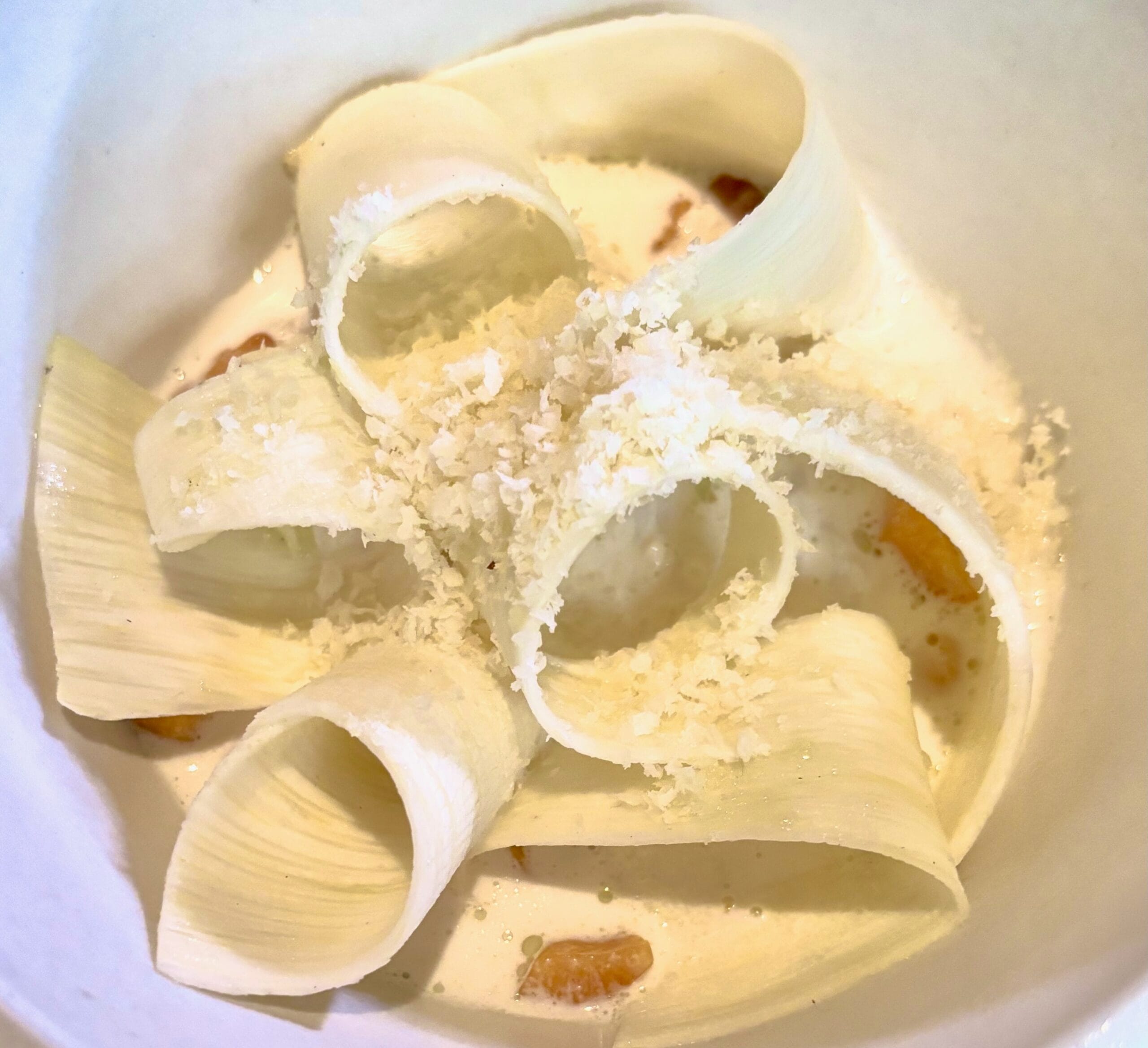
Ribbons of hearts of palm are served with squid at El Chato. (Adrian Brijbassi photo for Vacay.ca)
The non-alcoholic program, developed by beverage director Andy Blanco Villamil, is about as good a pairing in that format as you can find. Ingredients include different types of guava, figs, passionfruit, and unusual rainforest fruits. Rather than being an afterthought, the non-alcoholic drinks are treated as a hallmark of El Chato’s dedication to pushing Colombian food forward and to its limits.
“We’re not a wine-growing country, so making spirits from different ingredients comes naturally to us, and so should creating non-alcoholic drinks,” Clavijo points out.
It’s an inventiveness that underscores the pride for Colombia that the El Chato team embodies. Despite the turmoil it has endured, the country is graced with a robust heritage of flavours, rich bounty of ingredients, and generosity of spirit. Qualities that a diner at El Chato will encounter and very likely come to adore.
More Bogota Food and Drink Choices
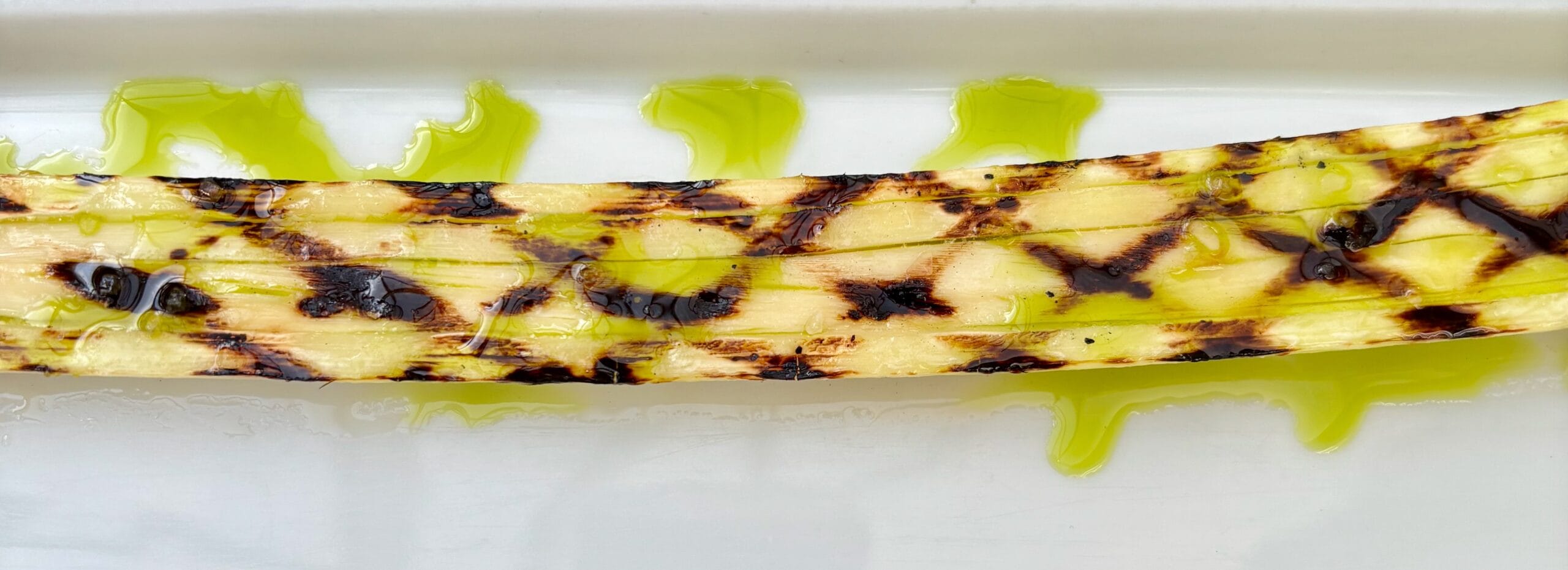
A long grilled heart of palm is one of the signature appetizers at Harry Sasson in Bogota. (Adrian Brijbassi photo for Vacay.ca)
HARRY SASSON: Bogota’s iconic restaurant just celebrated its 30th year in operation. It is credited with elevating Bogota’s fine-dining scene and continues to deliver an impeccable experience. Equally posh and authentic, Harry Sasson is the go-to spot for an elegant night out or a formal business gathering. It delivers on the promise of its sophisticated design and decor.
The bread program will challenge your waistline. Do try the yuca rolls (the best I have had anywhere) and the arepa stuffed with a fried egged and blood sausage. The grilled hearts of palm will reduce the guilt of the carb load.
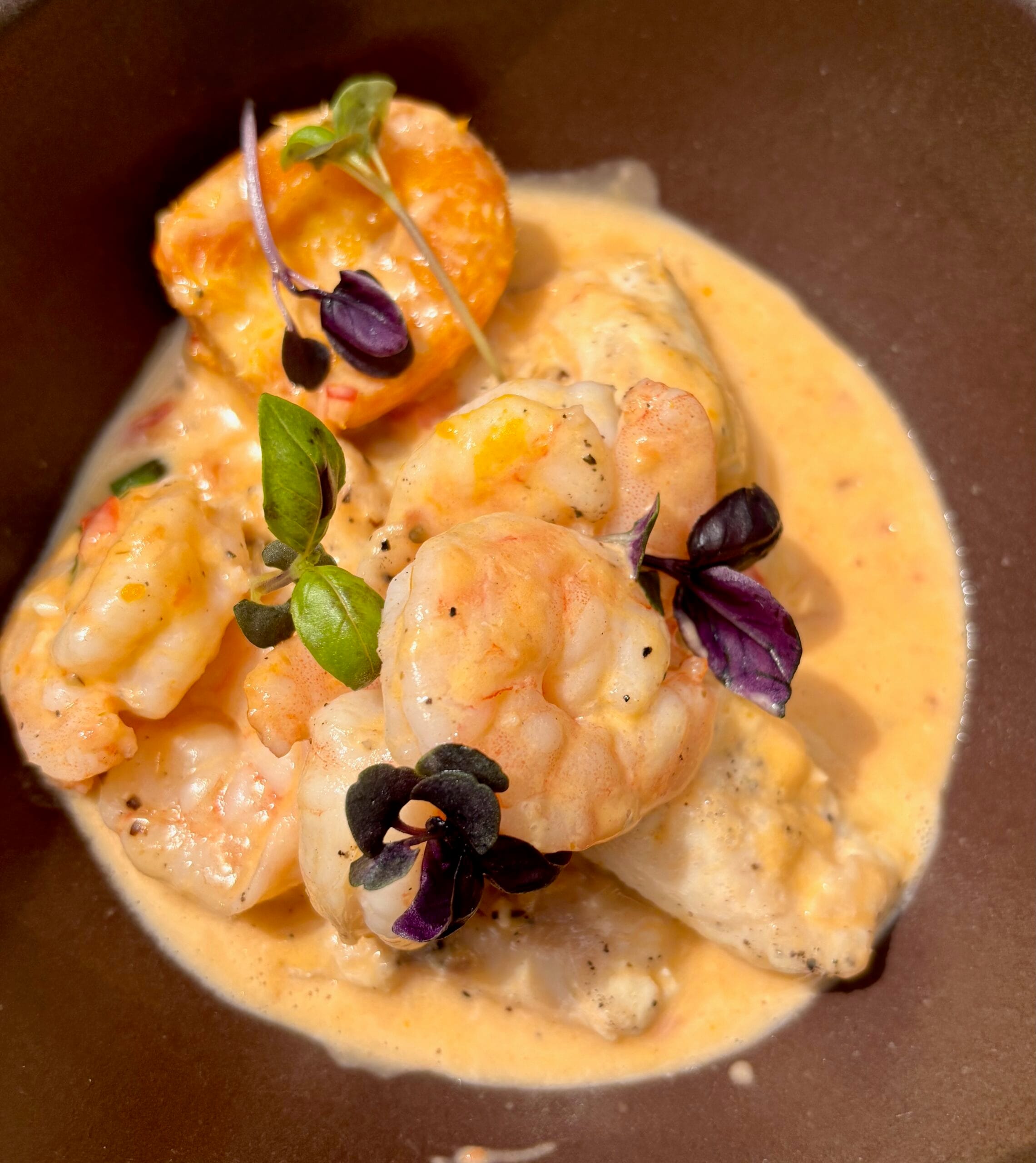
Zesty prawns are a crowd-pleaser at Harry Sasson in Bogota. (Adrian Brijbassi photo for Vacay.ca)
Notably for Canadians, Harry Sasson spent five years in Vancouver, cooking at Joe Fortes and the Westin Bayshore. He equates his time in British Columbia’s largest city as earning a masters degree in culinary arts. He returned to Bogota at age 26 to open his first restaurant. That was in 1995. He became a forerunner of the fine-dining scene in the Colombia capital — currently one of the most exciting in the world.
CASA MAMA LUZ: Ajiaco is Colombia’s beloved soup. Made with chicken and potatoes, it is what you would expect: hearty and healthful. Mama Luz Dary Cogollo is globally renowned for making the best Ajiaco in the world. A serving arrives in a metal pot and with an accompaniment of white rice and avocado slices. It’s classic home food prepared with a chef’s flair for detail and flavour balance.
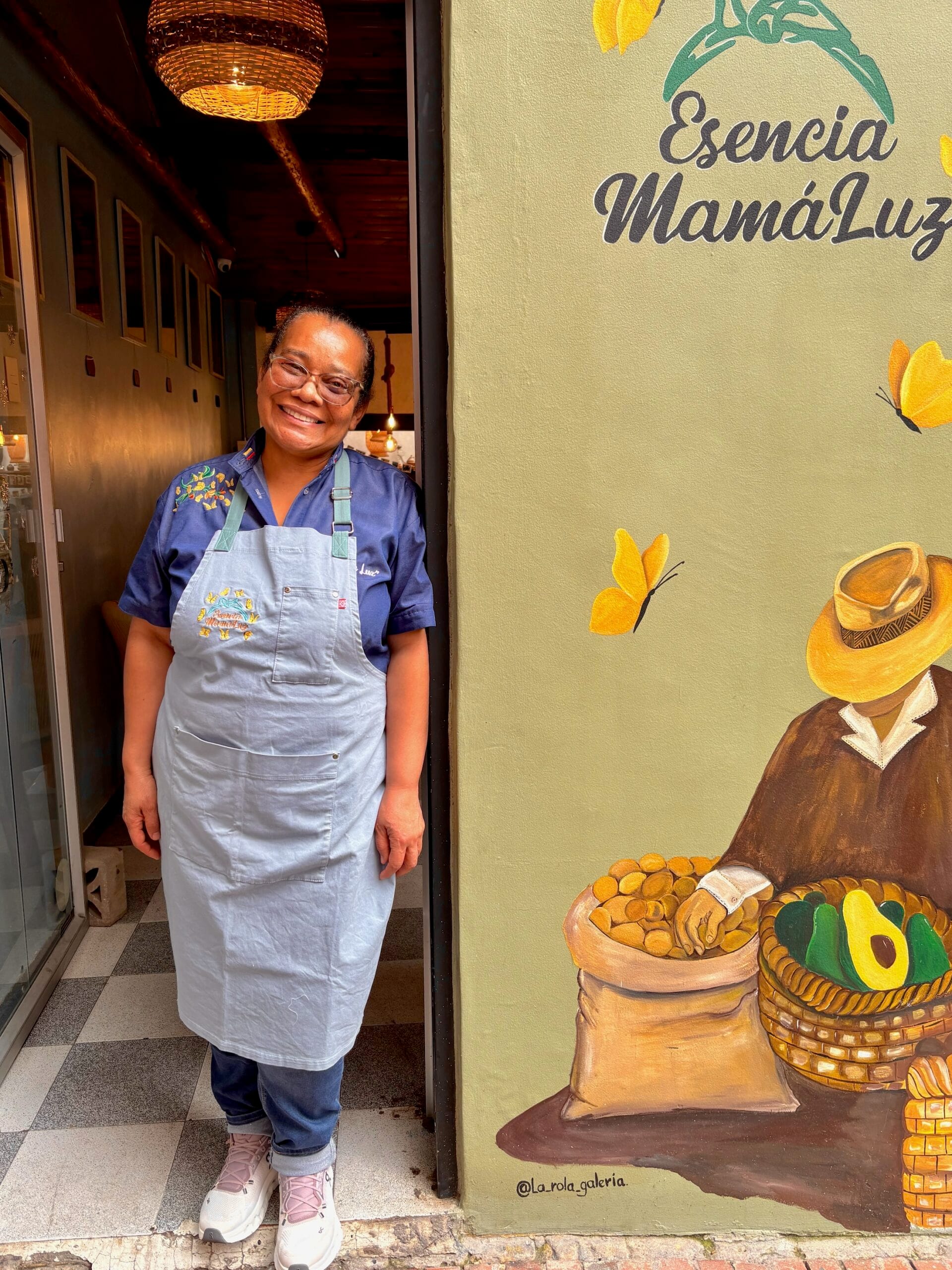
Mama Luz Dary Cogollo has become a celebrity chef in Bogota thanks to her home-cooked Colombian staples served at her eponymous restaurant. (Adrian Brijbassi photo for Vacay.ca)
Casa Mama Luz is a small restaurant that feels like you’re entering a well-taken-care-of home. The vibrance of Colombia and its welcoming heart are abundant inside its walls.
BOULEVARDIER SPEAKEASY AT FOUR SEASONS CASA MEDINA: For exceptional cocktails, visit the ground-floor lounge at the historic five-star hotel. Classics are made with top-shelf spirits while house specialties have a distinct Latin American twist. It’s an upscale experience that doesn’t disappoint or fall short on creativity.
Where to Stay in Bogota
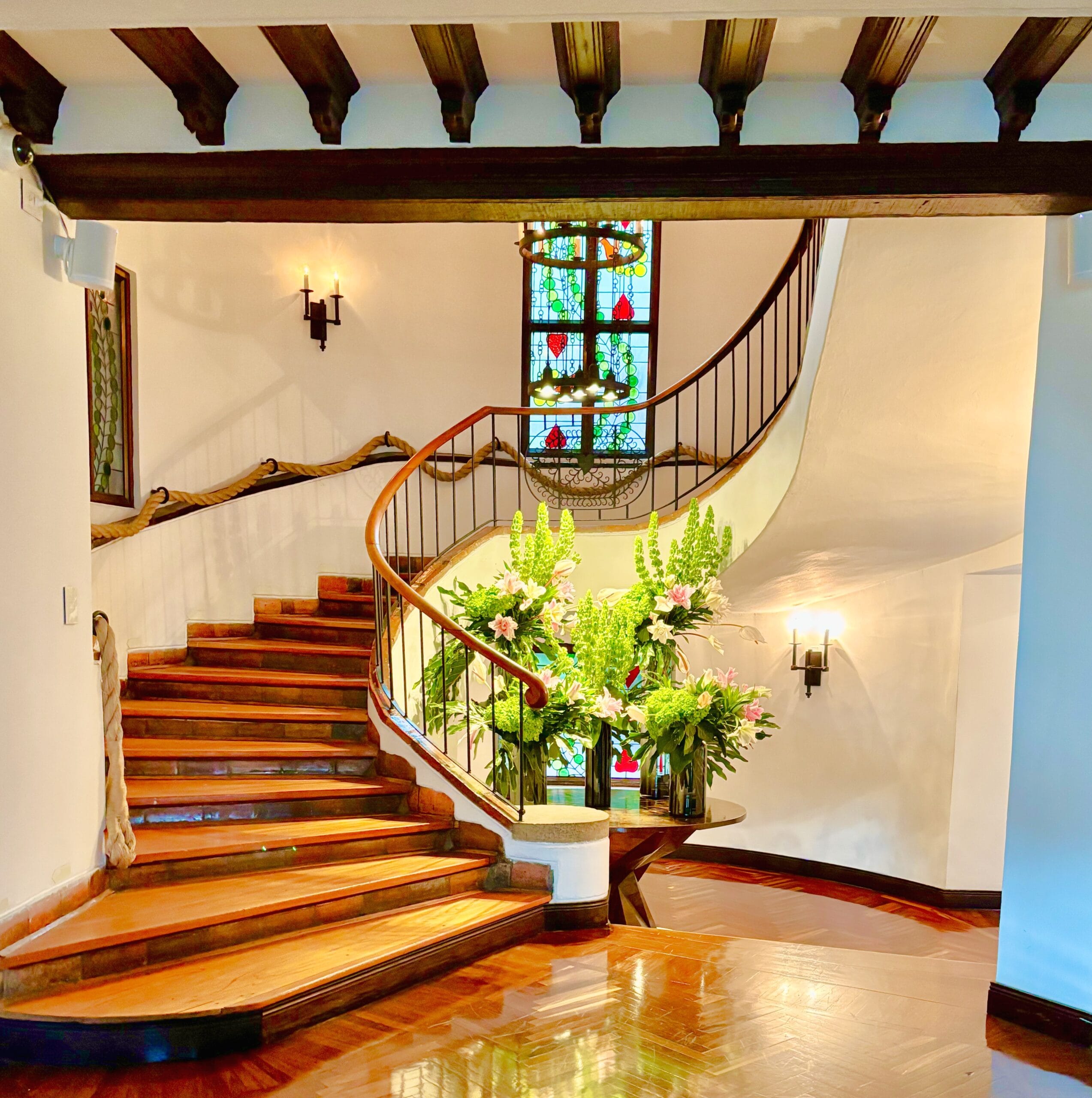
The Four Seasons Casa Medina is an inviting historic property with modern luxury comforts. (Adrian Brijbassi photo for Vacay.ca)
Four Seasons Casa Medina: In the Chapinero Alto area, Four Seasons Casa Medina has an early-20th-century charm in its wood floors and antiquated decor. It also has a number of modern touches as well as an excellent breakfast with platters of delicious fresh fruit and large bread and pastry selections. Only a 10-minute walk to El Chato and a number of dining and nightlife locations, the property is a gem for travellers who want to explore Bogota’s most-talked-about spots. Note: There is a second Four Seasons Bogota located a few kilometres away, so be sure you know which property and neighbourhood you are seeking.
Hotel Coco: A mid-priced hotel also in Chapinero Alto, Hotel Coco has a rooftop restaurant and a ground-floor cafe. Its rooms are pleasant, featuring wood panelling and plush bedding. It’s a good choice for those visitors who want a comfortable, friendly place to stay for a few nights but aren’t in need of luxury fittings in their hotel.
Editor’s Note: Vacay.ca occasionally publishes content about locations outside of Canada that we believe will be of interest to our readers, particularly southern destinations that may attract travellers seeking alternatives to the U.S. In this article, Managing Editor Adrian Brijbassi explores the cuisine of Bogota. He was an invited guest of the El Chato restaurant group and Visit Bogota. Neither organization reviewed the article before it was published.