
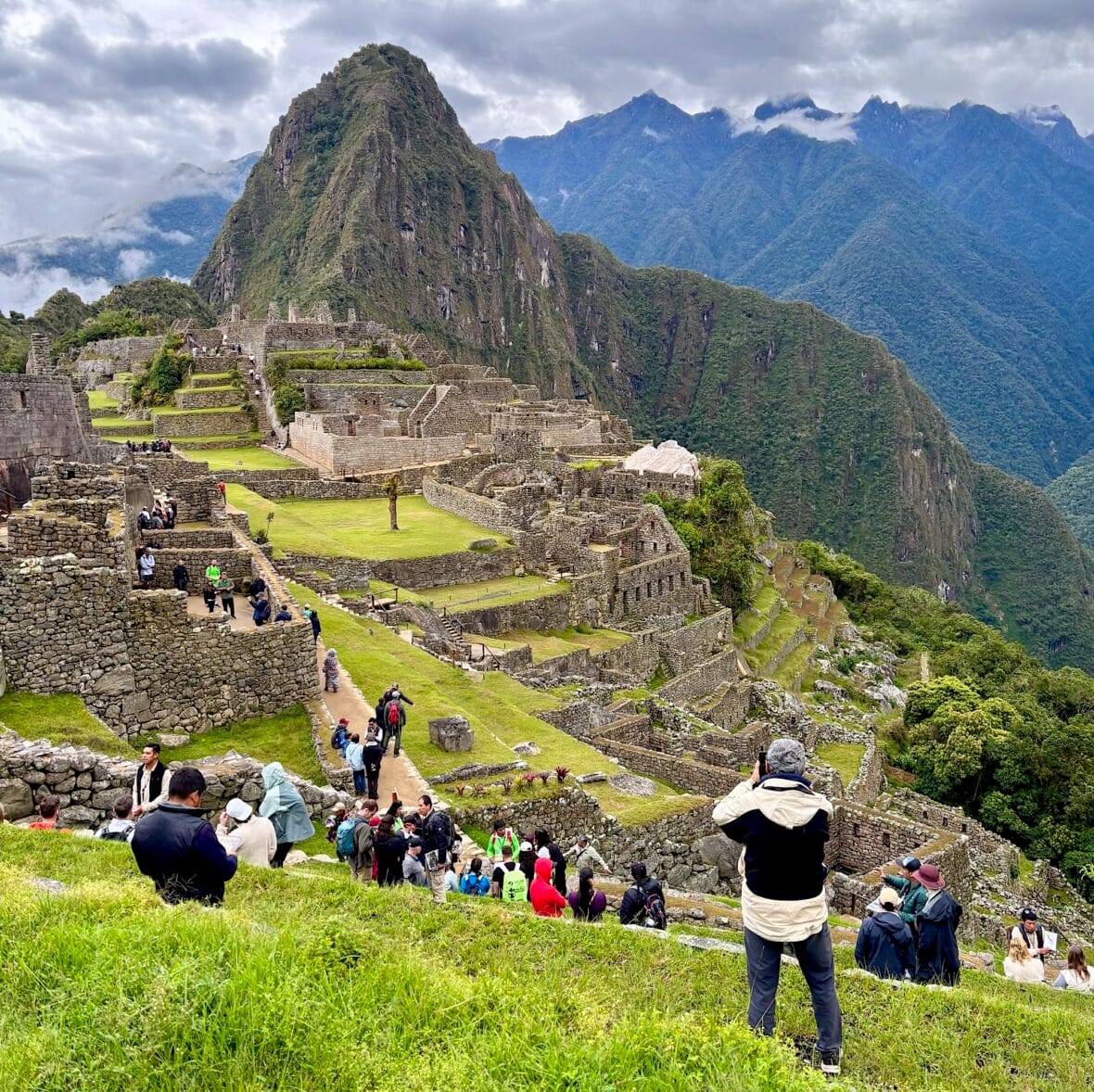

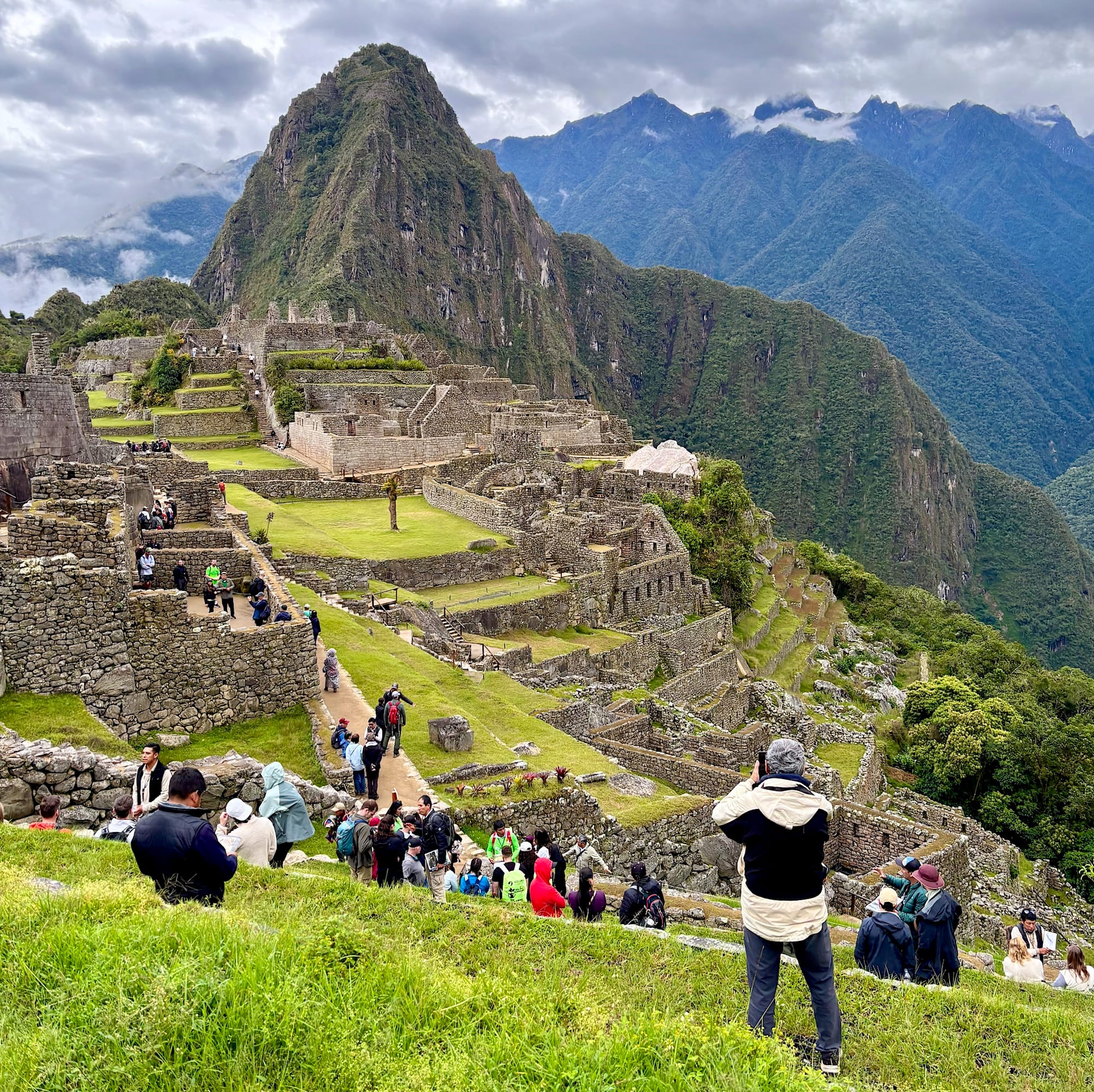
Machu Picchu receives more than 1.5 million guests per year, making it the most visited landmark in South America. (Adrian Brijbassi photo for Vacay.ca)
Peru is known as a backpacker’s dream. Hiking tours abound, with the most popular lasting up to five days as you make your way along the Inca Trail and to Machu Picchu. Dirt and discomfort are romanticized as part of the experience of an adventure in one of the most precious archaeological destinations in the world. Multi-day endurance tests aren’t for all travellers, though. Whether it be for reasons of stamina, time, age of travel companions, or comfort level, hiking the Inca Trail may not be of interest for everyone who ventures to historic Peru. But seeing the sights is.
For those wanderers, the luxury travel option does exist and it is an outstanding choice for any who want to do the revered Inca Trail in style. With it, you’ll enjoy the best culinary options available in Cusco and the Sacred Valley, and five-star hotels that have a crucial added benefit: oxygenated rooms. Altitude sickness is a real challenge for some adventurers, so a hotel that neutralizes the anxiety by making sure you have more than enough air as you acclimate is worth the splurge.
Travelling opulently to Machu Picchu’s region is fitting for the experience, too. The world wonder was once home to Emperor Pachacuti and his royal court, who enjoyed the most extravagant lifestyle that the Inca gods could offer.
Best Places to Stay in Cusco
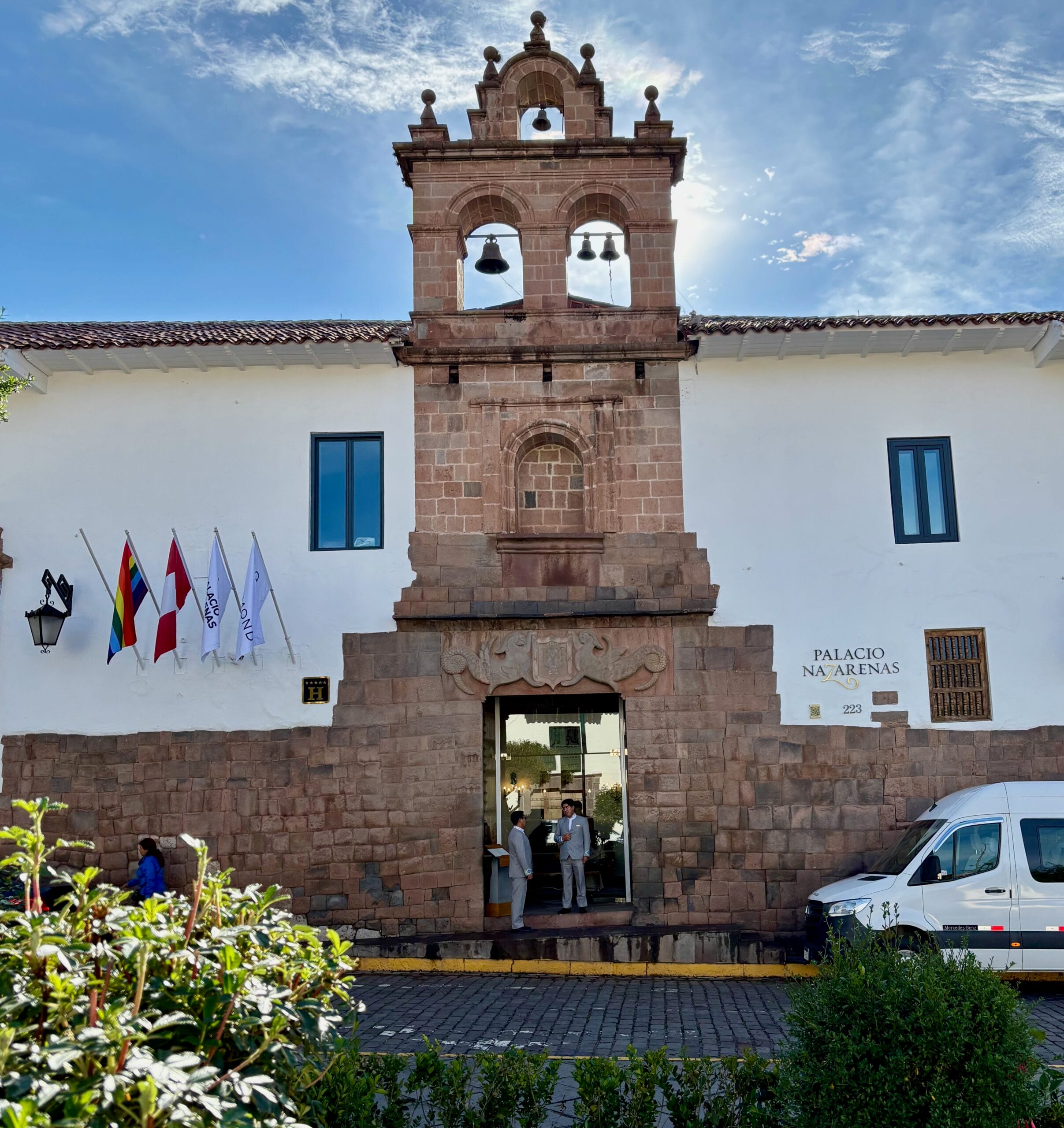
Palacios Nazarenas, a Belmond Hotel, sits on top of an Incan foundation that dates to the 14th century. (Adrian Brijbassi photo for Vacay.ca)
Belmond has two hotels in historic buildings located next to each other in Cusco. The first I stayed at was Belmond Palacio Nazarenas, which dates to the 16th century. Converted into a mansion-like hotel property in 2012, it has steadily improved its offering with a spa and more recently a restaurant operated by globally renowned chef Pía León. One of the masterminds behind Central, the Lima restaurant that has been named the best in the world, León debuted Mauka at Belmond Palacio Nazarenas last year and elevated it with the skill and craftsmanship that has defined her culinary career.
At Mauka, diners can savour a tasting menu that specializes in ingredients from the Sacred Valley and the Amazon, which, from Cusco, is just a one-hour flight away. Every course at Mauka is abundant with flavour, technique, and Peruvian soul.
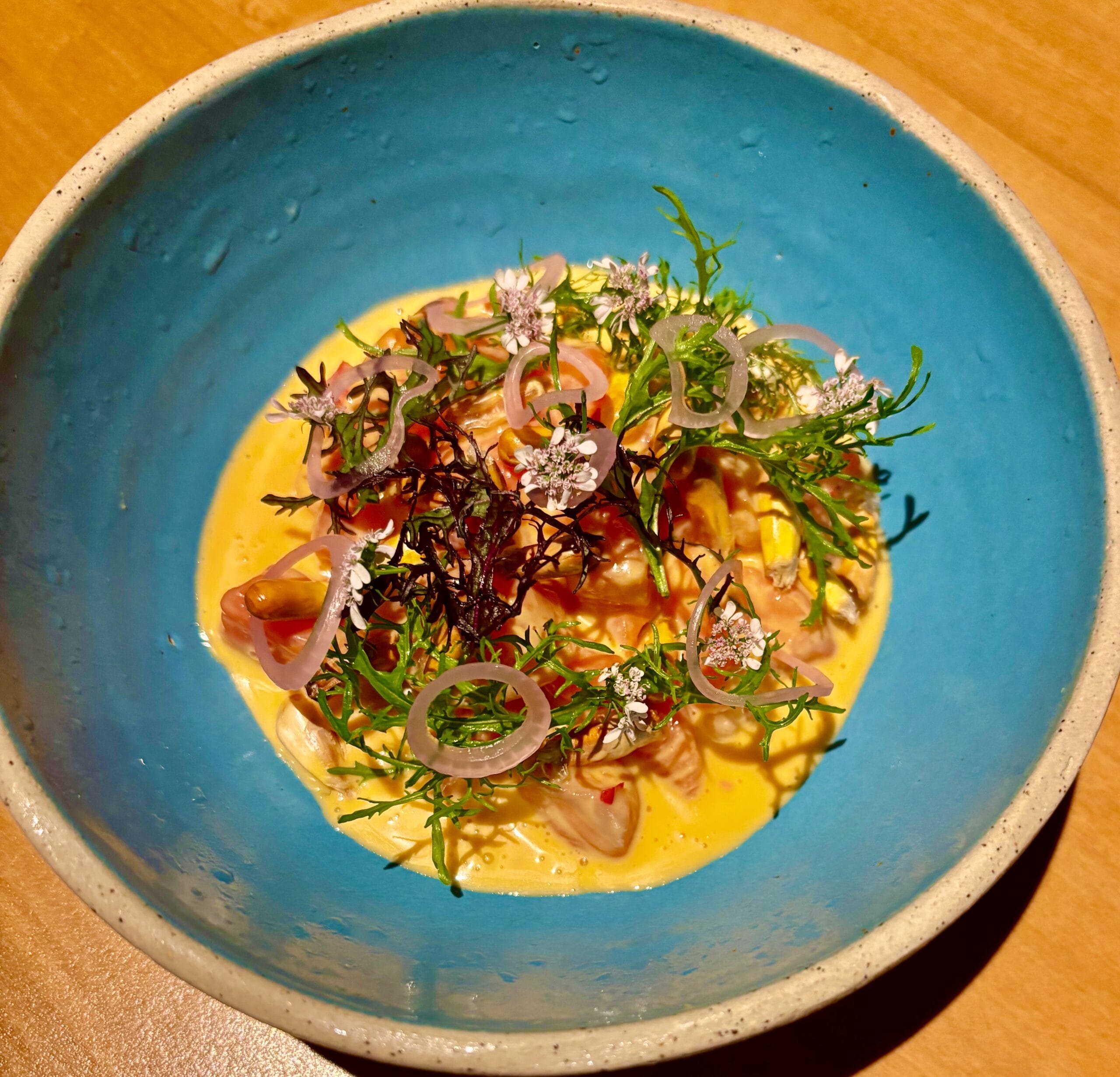
The ceviche at Mauka, located inside the Belmond Palacios Nazarenas hotel, features Andean trout in a luscious sauce. (Adrian Brijbassi photo for Vacay.ca)
The Ceviche at 3,000 Meters is a hallmark of León’s gentle touch. Made with trout, citrus harvested at high altitude, and cured onions, the bright dish graces your palette with a silky mouth feel across the tongue and slight acid flavour that is a contrast to traditional ceviches. Another fish course includes jungle juices with distinct ingredients like yuca and cocona, a fruit known as the “tomato of the Amazon”. It’s augmented with smoked cauliflower that adds both texture and complexity. Alpaca crudo, steak with panca pepper, and a salad of loche squash with local cereals and kale are all delectable courses that masterfully connect patrons to the region.
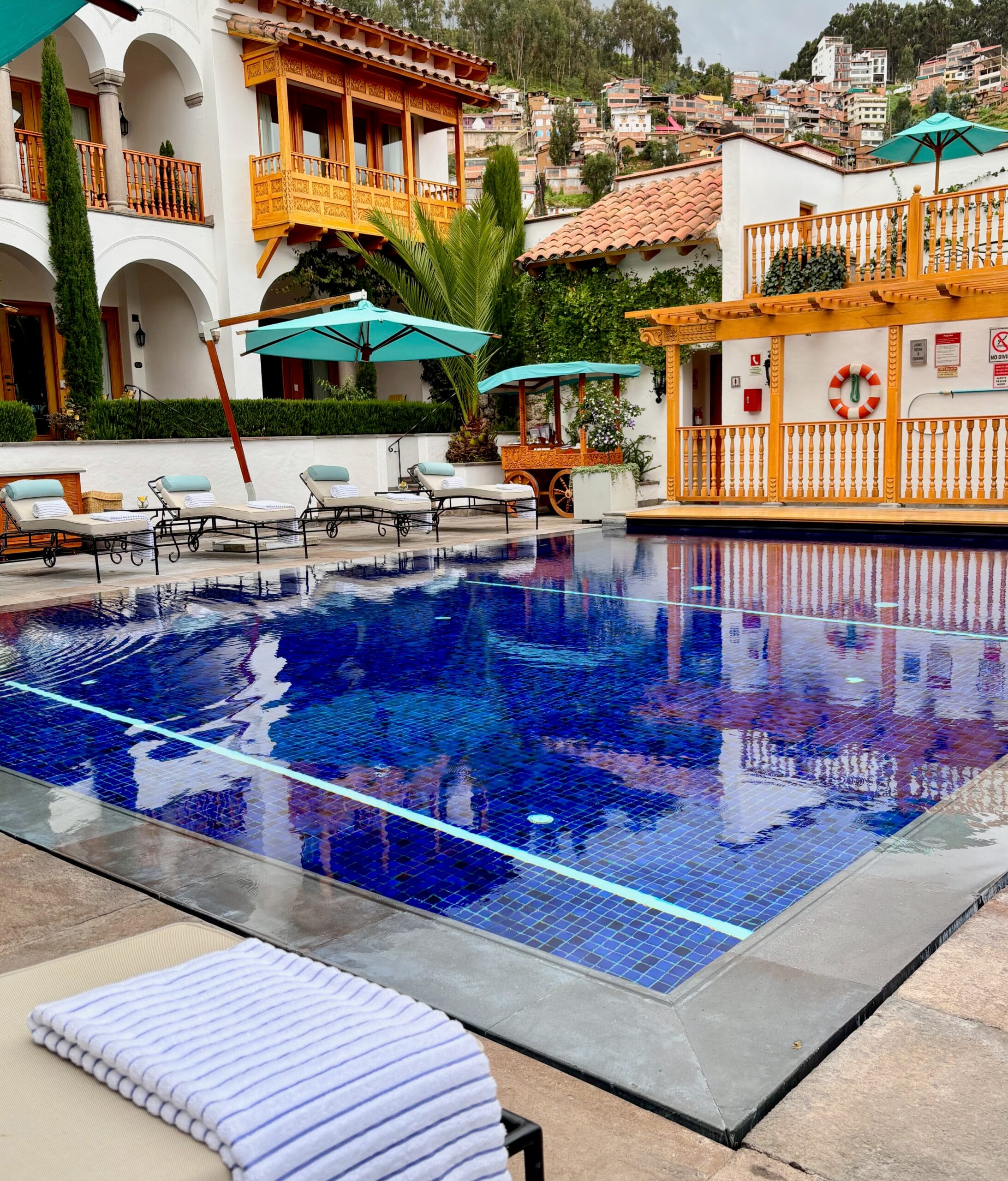
Cusco’s Palacios Nazarenas mixes colonial Spanish architecture with modern luxury amenities such as the inviting outdoor pool. (Adrian Brijbassi photo for Vacay.ca)
With Mauka’s elegance, Andean cuisine is elevated, apropos given the altitude of Cusco and the Sacred Valley. The restaurant also epitomizes the Belmond brand with its relaxed ambience and on-point hospitality. It’s a feature that is repeated throughout the hotel stay. Mauka is contemporary in design — with an open-concept layout, high ceilings, and carefully considered lighting — while the rest of Palacios Nazarenas retains its historic craftsmanship. Suites have been modernized with infrastructure (lots of outlets for devices, smart TVs, and more) and classy comforts, such as freestanding soaker tubs, that blend with wood and stone architecture. The interior also evokes the property’s history with four-poster beds and fresco wall paintings. Outside of the rooms is a centuries-old fountain in a symmetrical courtyard, corners where glass coverings cover and protect Incan stone on which the property has been built, and a thin aqueduct with flowing water.
MORE PERU: Lima Sends You Soaring
A former convent, Palacios Nazarenas is neighbours with Belmond’s other luxury property in Cusco’s Plaza de Armas, Monasterio. As its name suggests, Monasterio was a former seminary. Before that it was a palace for Amaru Qhala, an Incan aristocrat. Like Palacios Nazarenas, Monasterio has kept its Incan foundations and its Spanish colonial artifacts. There is a chapel with ornate decorations, large tapestries, and a lovely courtyard built around a famous 300-year-old Andean cedar tree. It’s where breakfast can be served. And that breakfast is a massive buffet of items familiar to North American palettes and a number of choices unique to Cusco.
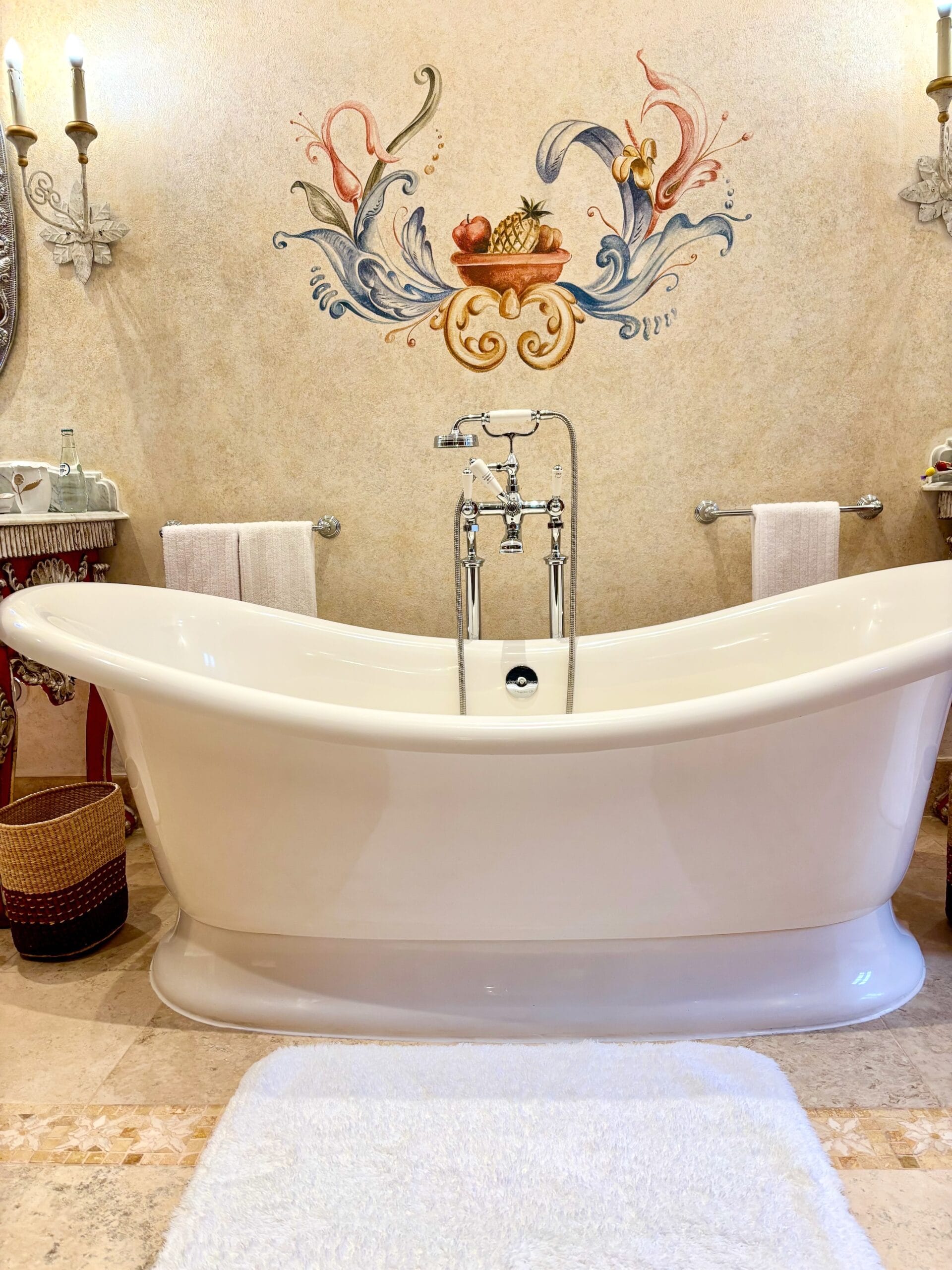
Belmond’s Palacios Nazarenas is replete with elegant touches like this freestanding soaker tub. (Adrian Brijbassi photo for Vacay.ca)
Although Monasterio was built in 1592, the rooms and suites have modern features such as lofts, which are ideal for families. Another more contemporary amenity is the lobby bar that features jazz nights and inventive cocktails.
Either Belmond property provides the luxury stay for travellers who want to experience the Sacred Valley in grandeur. In many ways, your choice of hotel represents the start of your stay and the quality you’re about to enjoy doesn’t end there.
Where to Dine in the Sacred Valley
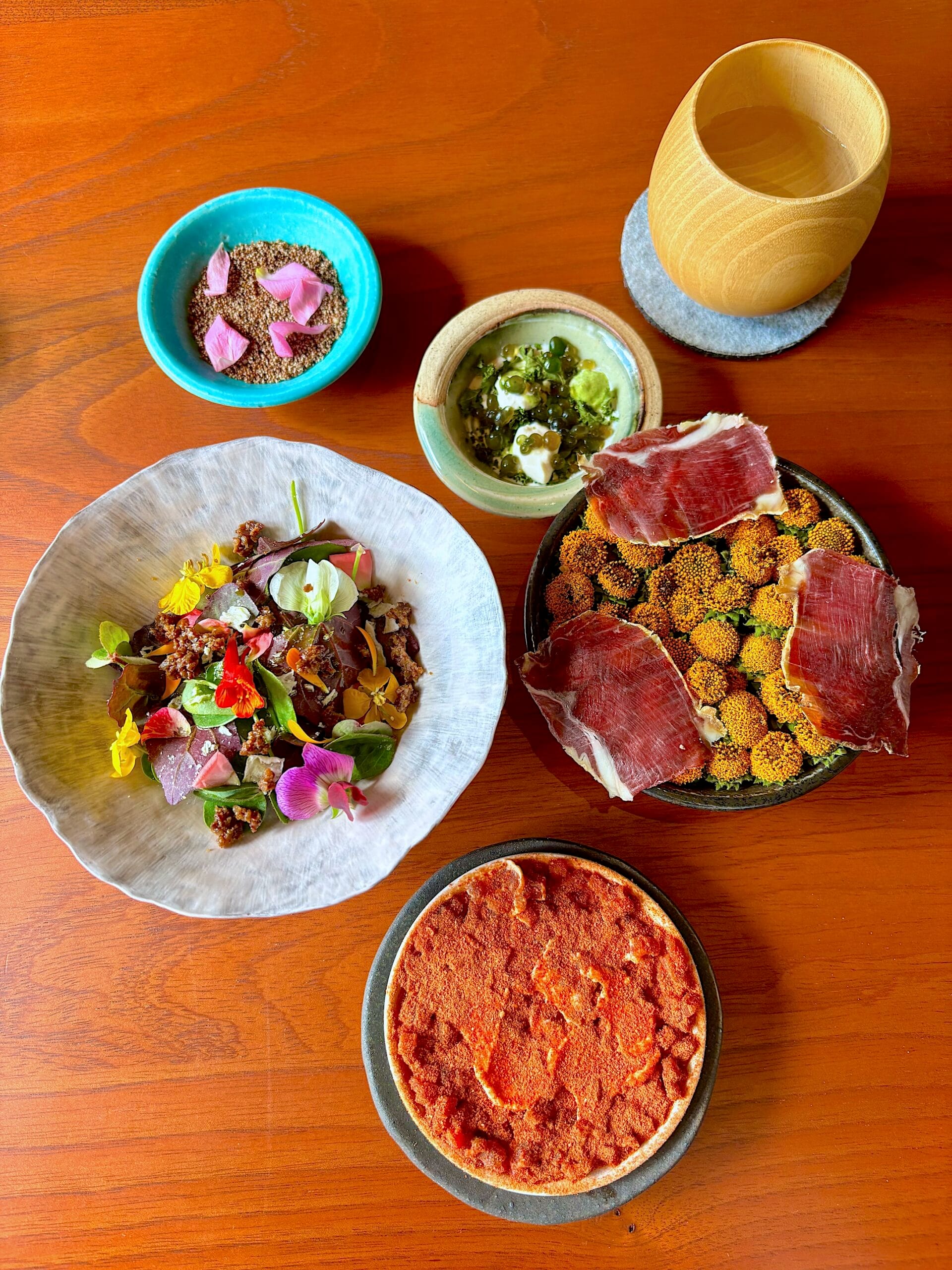
The MIL Centro dining experience begins with a series of snacks that represent the Andean ingredients and flavours. (Adrian Brijbassi photo for Vacay.ca)
MIL Centro is a deeply meaningful experience created by the Mater Initiative — the science, culture, and gastronomy organization founded in Lima by León, her husband Virgilio Martinez, and his sister, Malena Martinez, a physician turned researcher. Known globally by connoisseurs for its restaurant program, MIL Centro is much more.
Located about 50 kilometres (31 miles) northwest of Cusco and just steps from the historic archaeological site of Moray, MIL brings economic benefit to the local community through its support of farmers and Indigenous artisans. Guests can participate in a 90-minute tour of the K’acllaraqay community where a group of 16 elderly women who collectively call themselves Warmi welcome visitors to explain about their life in the heart of the mountains. Subsisting largely through a barter system, the women and their community of about 180 people have maintained an agrarian life despite national and global events that have changed the world around them. Honouring Pachamama, or Mother Earth, the women may walk through the village with spool and knitting needles, wearing tall brown top hats to shield the sun, and giant colourful shawls that can be used to wrap themselves against the chill or folded in a way to carry produce back to their homes. A visitor will no doubt stop and marvel at the scenery, dominated by the “Apus”, the local word for “gods” and the monicker given to the snow-capped peaks bracketing the Sacred Valley.
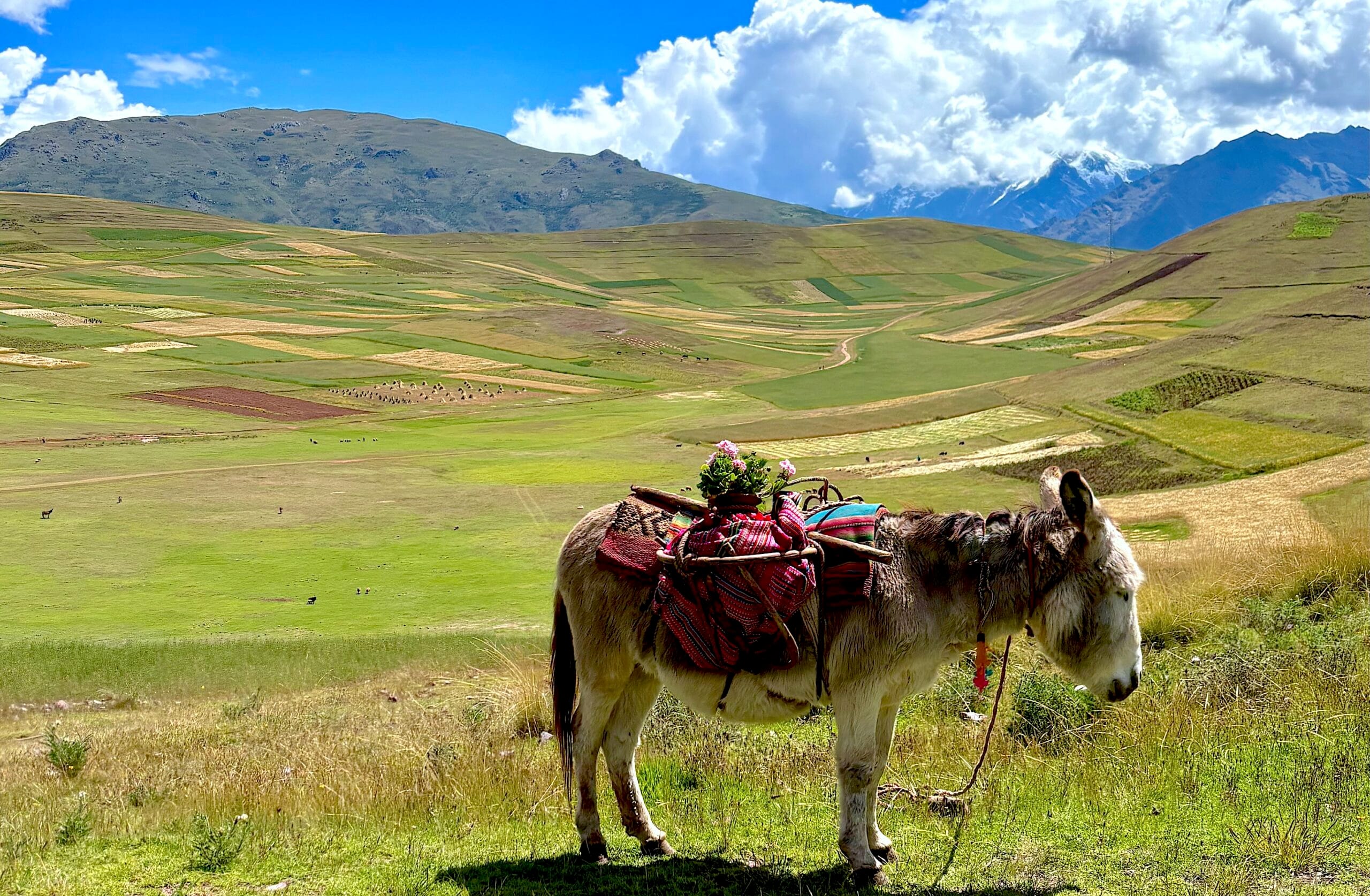
A burro graces the landscape of the Sacred Valley, which can be explored during an immersive tour offered by MIL Centro restaurant. (Adrian Brijbassi photo for Vacay.ca)
The advent of MIL, which launched in 2018 and was named the best gastronomic experience in the world in 2023, has brought sustainability and regenerative tourism 3,600 metres (11,800 feet) up among the clouds.
“I found out about the MIL project in 2023,” says Maribel Cervan, a guide and member of the MIL Centro hospitality team who is from the Maras, the local municipality of the Sacred Valley. “The feeling has always been that you had to go out as a teenager to find work but you don’t have to do that now. It’s made a big difference for people who can stay here and remain close to their families, and their community.”
Following the tour of K’acllaraqay that Cervan led, I was ready for the creations of Virgilio Martinez and his team. The restaurant takes full advantage of the immense bounty of products in and around the District of Maras, such as dozens of tubers, 30 varieties of fava beans, and more than 1,000 botanicals.
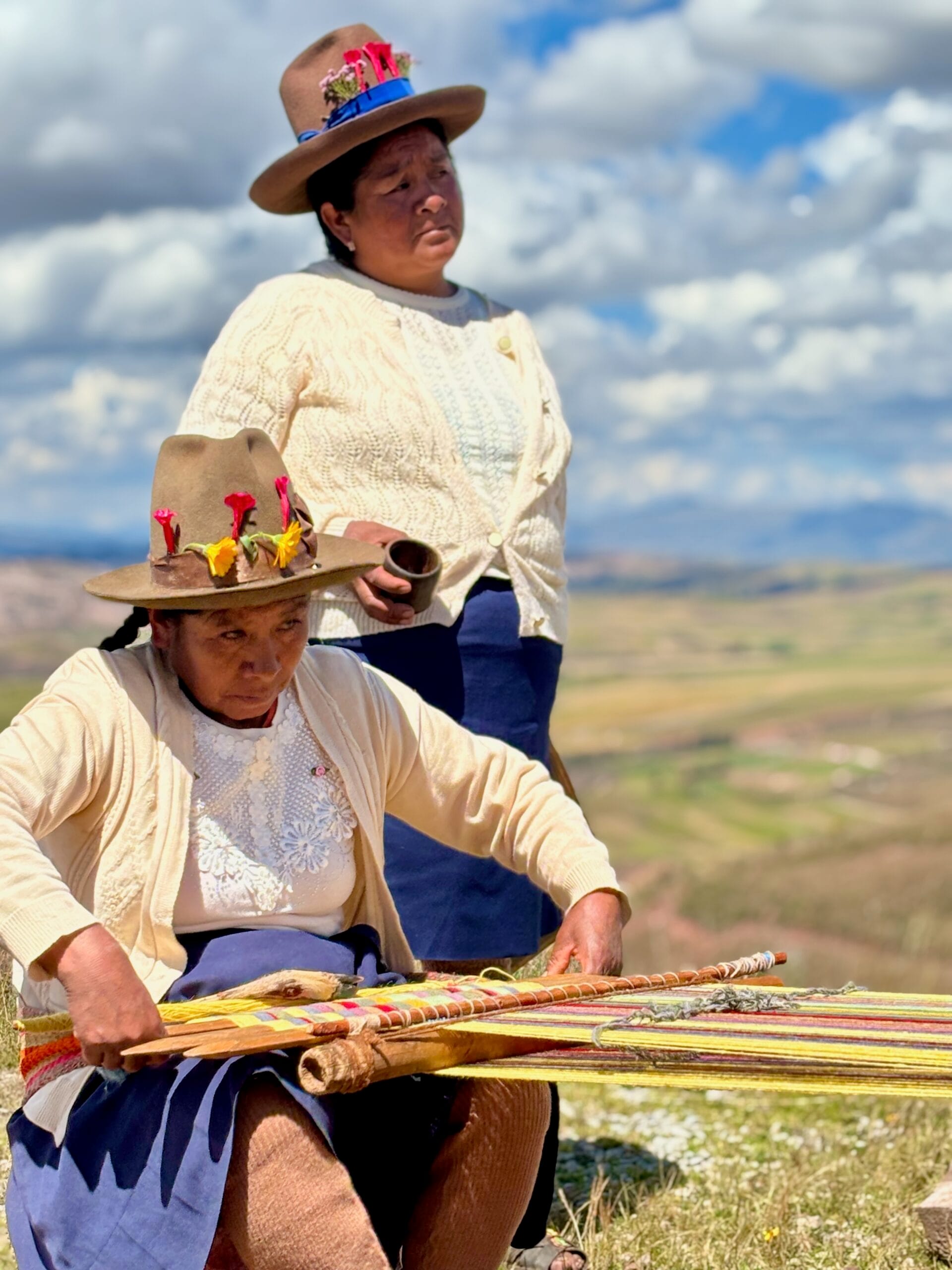
The Warmi women of the Sacred Valley work on textiles and harvest products to sustain their village. MIL Centro has helped them expand their local economy. (Adrian Brijbassi photo for Vacay.ca)
As with Martinez and León’s other restaurants, including Mauka, MIL is a masterpiece. Cooking can evoke ancient techniques — as in a fire-rusted tuber — or deeply sophisticated as in the “Diversity of Corn” course that presents maize in four distinct ways. The final dessert course features a swirl of chocolate made to resemble the concentric lines of Moray, an agricultural site that dates to the 1400s.
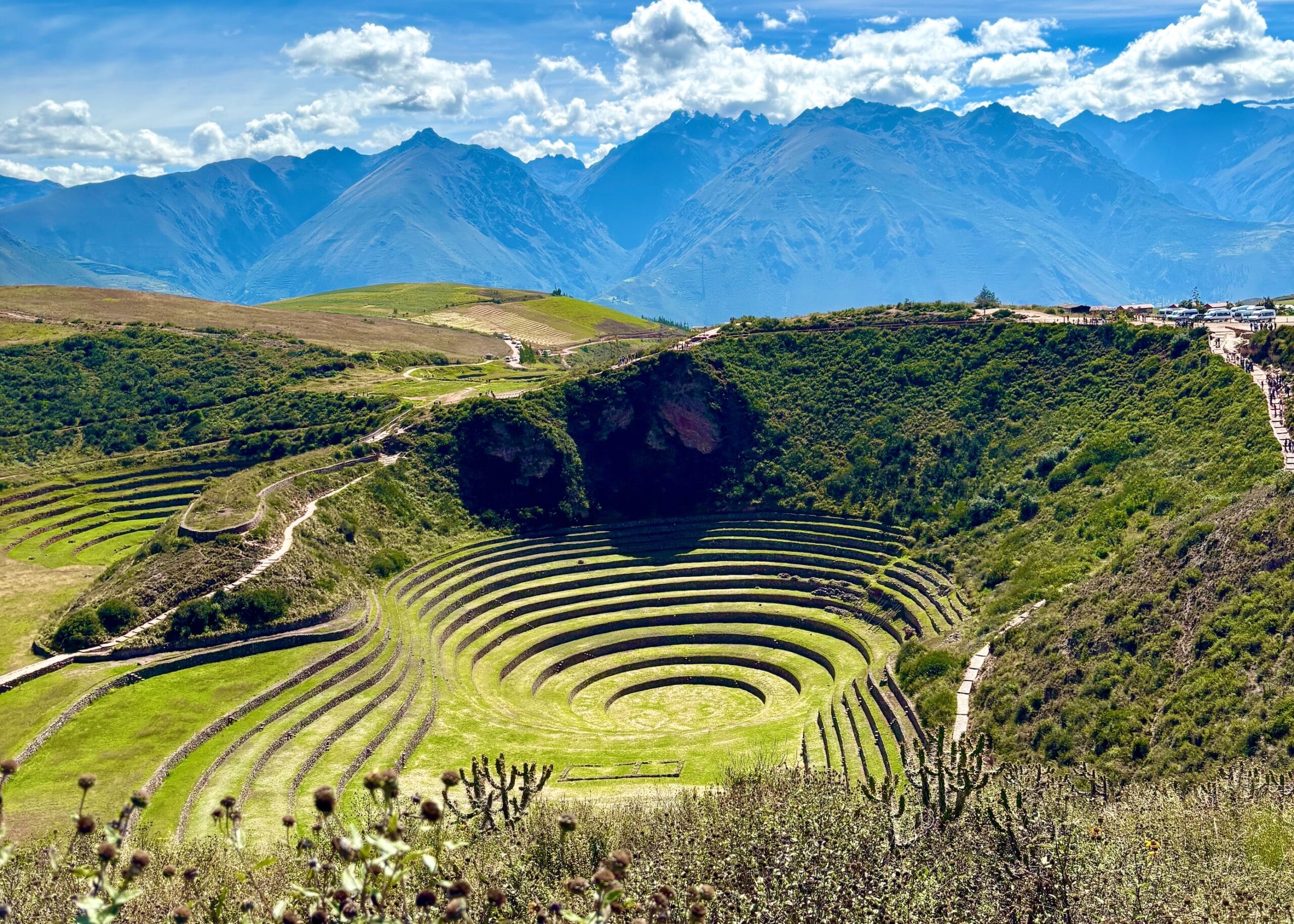
The historic Inca site called Moray is adjacent to where the acclaimed restaurant MIL Centro is located. Moray is composed of three groups of circular terraces (or muyus) that go down 490 feet. (Adrian Brijbassi photo for Vacay.ca)
The concentric lines of the Incan site go deep into the earth, growing varieties of plants, flowers, and vegetables for their communities. There could be no more perfect site for a one-of-a-kind culinary experience such as MIL.
How to Get to Machu Picchu
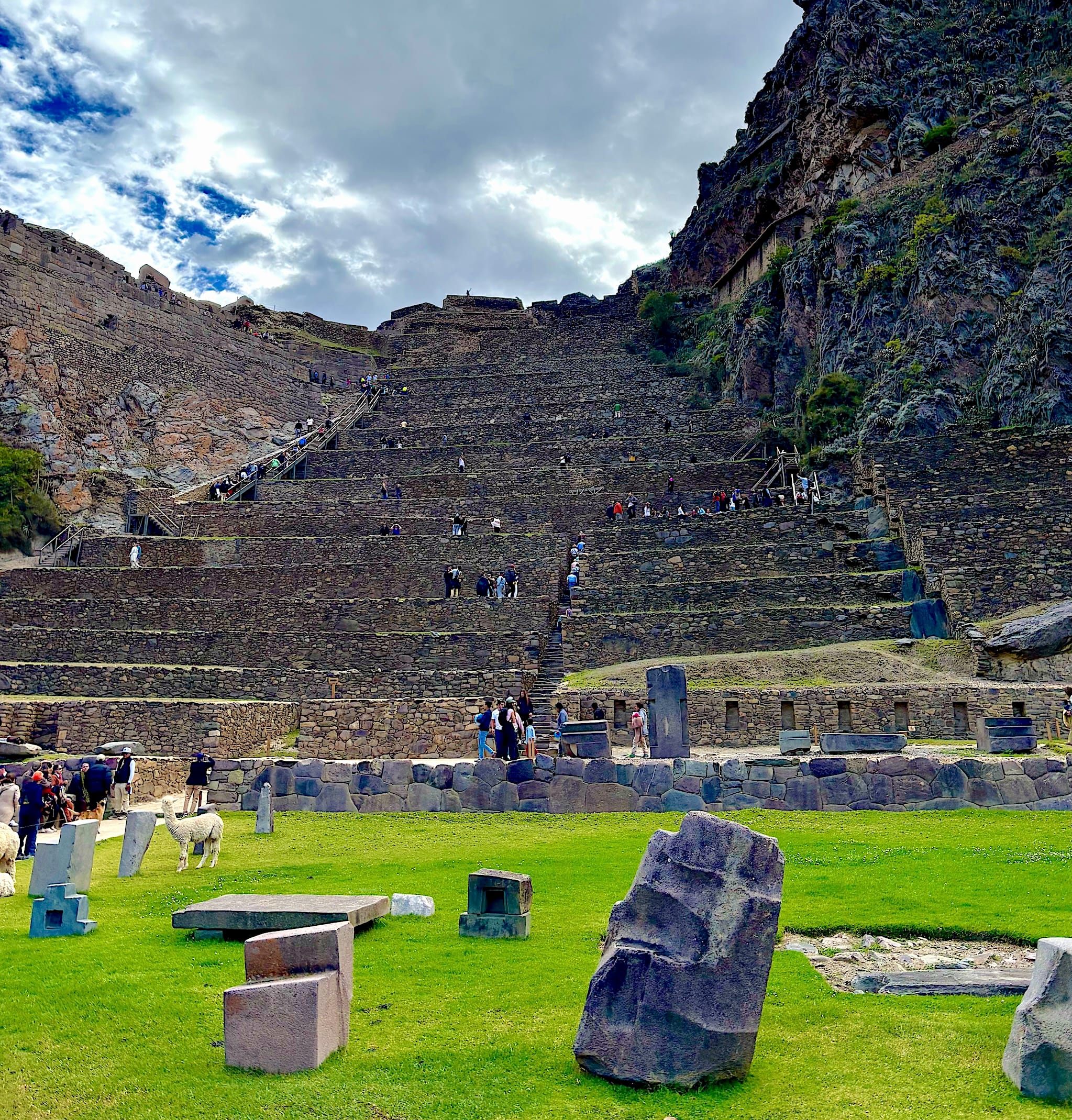
Ollantaytambo is among the Inca Trail’s most important sites because of its preserved architecture. It exemplifies how Incas used terraces for agriculture and temple structures for worship. (Adrian Brijbassi photo for Vacay.ca)
Tours to Machu Picchu are offered by dozens of companies. Almost all travel along the Urubamba River with stops at Pisac and Ollantaytambo, which features arguably the best preserved Incan steppe structure. From Ollantaytambo, travellers can catch a 90-minute train to Aguas Calientes, the town at the foot of Machu Picchu. Train options vary from basic to high end on the Hiram Bingham train, named after the Yale University professor who located Machu Picchu with the help of local guides in 1911 (and also inspired the Indiana Jones character).
The Hiram Bingham train is part of Belmond’s Inca Trail collection of properties and experiences, and so is Sanctuary Lodge, the luxury hotel at the base of the entrance to the Machu Picchu historical site and is the opulent place to stay in Aguas Calientes.
Best Way to See Machu Picchu
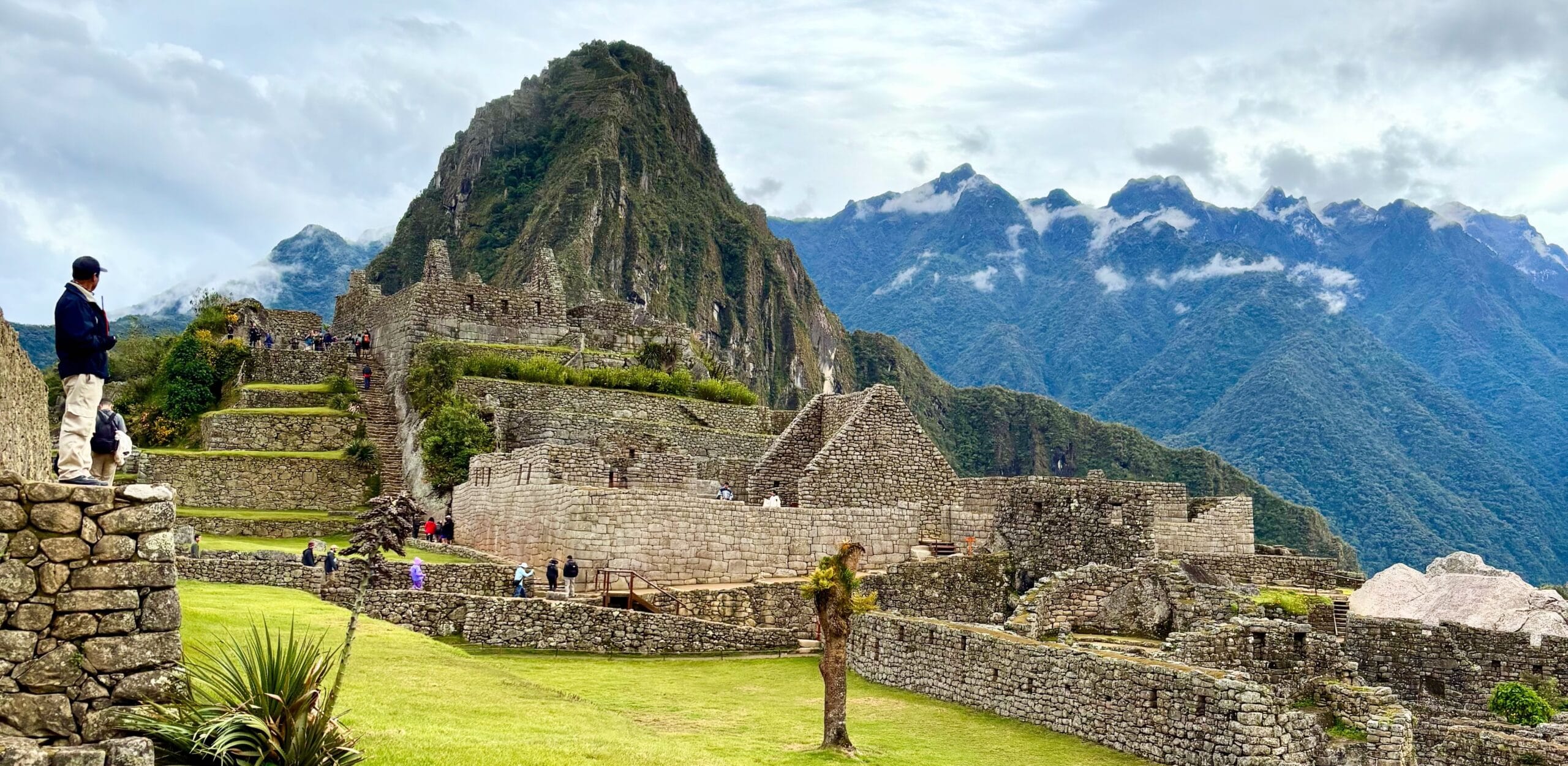
Machu Picchu will capture your gaze no matter what direction you look in. (Adrian Brijbassi photo for Vacay.ca)
The best of the tour operators will provide a private guide for you. That guide can capture timeless photos and videos of you and your companions while teaching you about the marvels about Machu Picchu. Not only the archaeological aspects — including the fact there was a school, plumbing system, and design features incorporating the three most revered animals of the Incan world: condor, puma, and snake — but the geographic uniqueness of the site. A reputed energy vortex is claimed to emanate from the carved stone monolith called Intihuatana (or the Sacred Rock), creating a powerful force that can be accessed by the most intuitive among us. “Travelers often report experiencing profound peace, heightened intuition, or a sense of inner balance while exploring the grounds,” says one site that focuses on spiritual tourism.
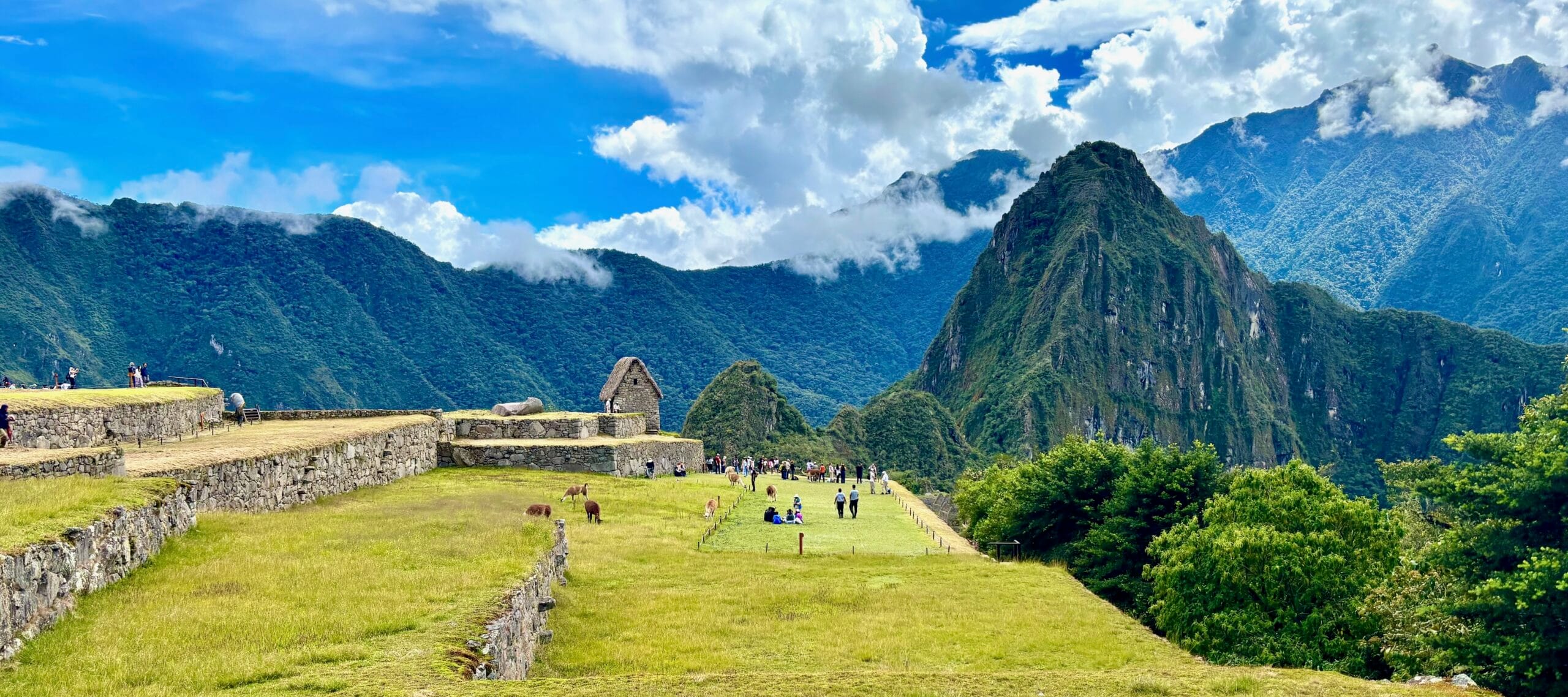
The terrace at Machu Picchu is accessed through a vertical climb from near the entrance to the historic site. Once at the top, guests enjoy a gorgeous panoramic view of the Andes. (Adrian Brijbassi photo for Vacay.ca)
Machu Picchu struck me as one of the rare world-famous destinations that surpasses expectations. Once you enter its gates, you’re immediately met with the sweeping view of the remnants of the old village, including palaces and temples, and the mountains beyond it. No Instagram image could replicate the feeling and sensation of seeing it in person. The rest of the site is similarly grounding and awe-inducing.
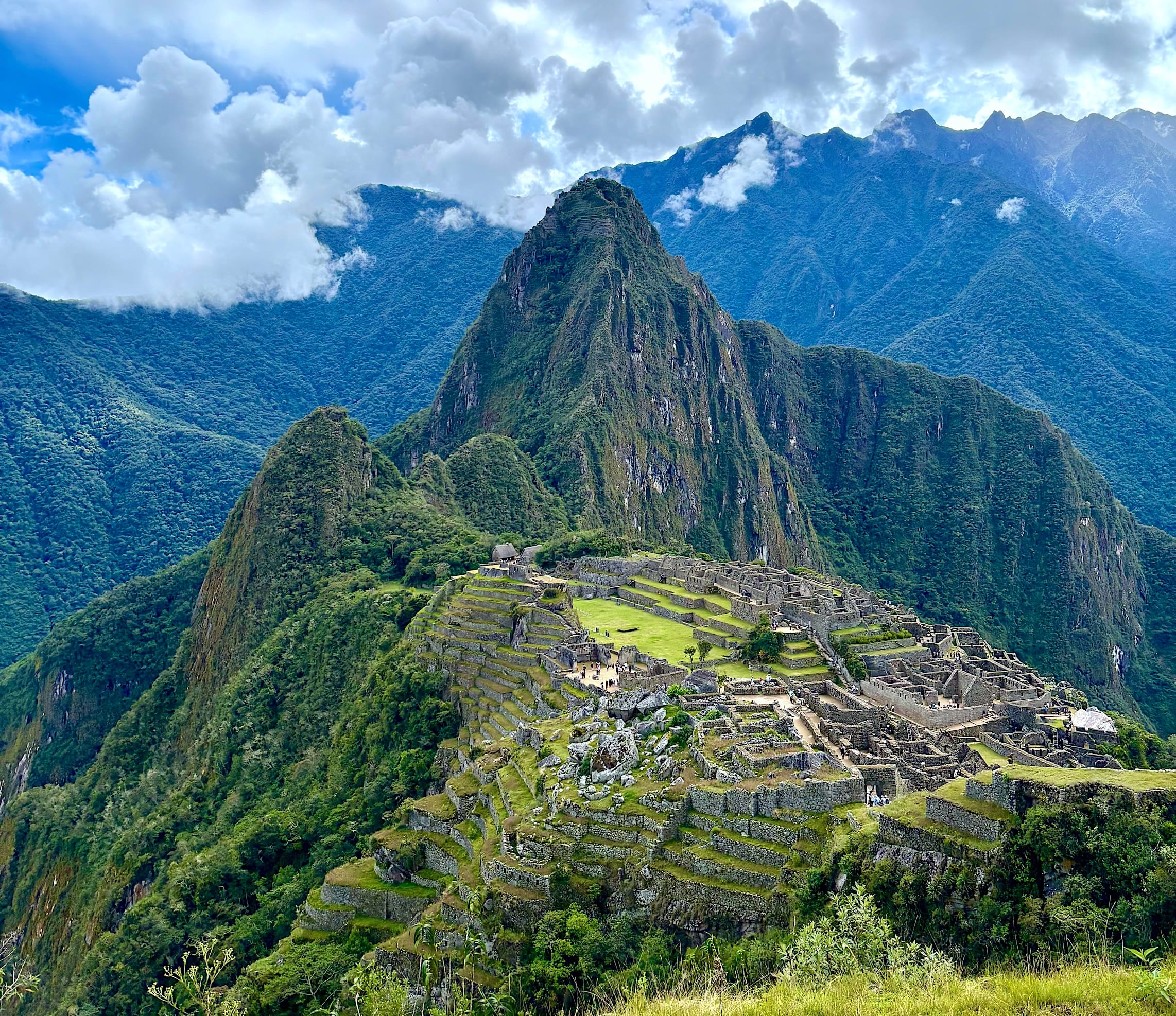
At its height during its Inca days Machu Picchu was inhabited by about 750 people. Now, more than 4,500 travellers visit each day. (Adrian Brijbassi photo for Vacay.ca)
The site is separated into 10 circuits and your ticket will tell you where you’re eligible to explore. Some circuits are available only on a seasonal basis. Machu Picchu’s main circuit, called the Panorama route, is mostly flat and easy to traverse. Other circuits include vertical hikes, though the walk up to the top terrace or Sun Gate is short (about 10 minutes).
The memories of Machu Picchu will remain for long, though. It is a magnificent destination, best experienced in grand style.
View this post on Instagram
Note: Vacay.ca occasionally features content from outside of Canada that our editors believe will be of interest to readers. In this article, Managing Editor Adrian Brijbassi ventures to Peru’s Sacred Valley, a bucket-list destination for many Canadians. Belmond hotels provided hotel stays and the Mater Institute restaurants supported with transportation costs. No organization reviewed the article before it was published.



One Comment
Pingback:
October 15, 2026 at 8:50 pm