

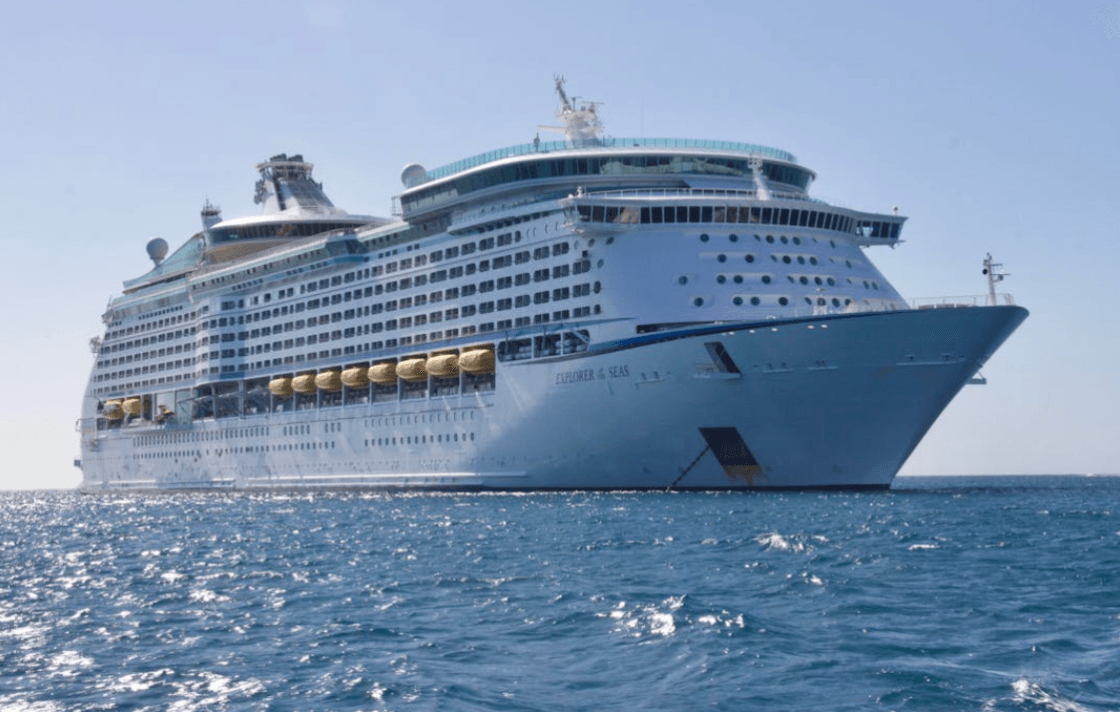
Cruise ships have traditionally hosted popular table games as a form of entertainment for passengers to enjoy between shore excursions. (Supplied photo)
Many Canadians who enjoy casino gaming can’t imagine a world where they had to travel large distances to play games such as slots, blackjack, poker and roulette. However, behind the scenes, Canadian travel entertainment has undergone a major transformation, shifting from traditional cruise-ship casinos and resort gaming to portable, digital-first experiences. Changing travel habits, technology adoption and mobile connectively has completely shaped how Canadians entertain themselves on the go or from their own homes, allowing them instant access. This article will explore the influence of modern technological developments on Canadian travel entertainment and how innovation continues to enhance the overall gaming experience for travellers across the country.
The History of Cruise Ship Casinos
The concept of entertainment at sea dates back many years when the idea of luxury travel was endorsed in the late 19th century for wealthy passengers. It seemed logical that passengers who were spending many days at sea would expect more than just transportation as they also craved comfort and social experiences. Many of these ships offered live music, shows, dance floors, restaurants, cafes and bars. Nowadays, passengers can even shop on board or visit a spa or gym. Adding casino areas to a cruise ship felt like a natural integration because it complemented existing leisure activities. While cruise ships have limited space and can’t match the expansive gaming floors of land-based casinos, spending some time in the casino can be an enjoyable part of a cruise vacation for many people.
The Rise of Online Casinos
The inception of online casinos can be pinpointed to the mid-1990s when the Internet began weaving its way into households globally. These early platforms offered a limited selection of games such as simple slots and table games. As technology developed and more countries established regulated frameworks, the online casino industry expanded rapidly. Improved Internet speeds allowed for more complex games and the integration of Random Number Generator technology ensured fair outcomes. The introduction of smartphones in the late 2000s aided the revolution of online casinos even more. Mobile apps and websites facilitated instant access to a wide range of games without the need for a desktop computer. This allowed casino gaming to be regarded as an activity that could be seamlessly slotted into casino gaming enthusiast’s daily schedules but also helped them to expand their social circles by connecting with likeminded individuals from all across the world.
Digital Casino Gaming in Canada
In Canada, Canadian-flagged ships cannot legally operate casinos while in domestic waters, meaning many Canadians don’t have frequent access to cruise-based gaming. However, these tough regulations have only increased the demand for a no deposit bonus casino in Canada as online gambling provides a natural solution for Canadians who are restricted by geographical limitations, legal constraints or travel costs. The first licensed online casino in Canada was established in 1996, offering a groundbreaking platform for players to engage in their favourite games via the Internet. In Canada, regulation of online casino activities occurs at the provincial level which means that each province decides how it governs and licenses online gambling. For instance, Ontario operates a government-regulated platform offering slots, poker and table games legally to residents. Nowadays, Canadians don’t have to wait to get on a cruise as they can access entertainment instantly whether on a plane, in a hotel or waiting at the gate.
Of course, online casino platforms don’t just offer Canadians convenience but also personalization and authentic gambling experiences. For example, games developers and casino operators have integrated modern technologies such as virtual reality, augmented reality and artificial intelligence to close the gap between real-life gaming sessions and virtual experiences. For instance, AI is able to analyze player behaviour and history to curate tailored recommendations and personalised promotions, helping to make every session feel unique and engaging. AR and VR also assist in creating realistic casino environments, allowing players to interact with dealers and move between tables, mimicking the act of being in a traditional brick-and-mortar casino without leaving home.
Final Thoughts
Overall, the evolution of travel-based entertainment from fixed, location-based venues to flexible digital experiences available anywhere didn’t happen overnight. In fact, it is the result of many years of innovation from early cruise ships introducing onboard casinos to modern digital platforms that bring casino gaming directly to Canadians’ devices. With modern technology, Canadians can now access digital platforms wherever they roam without having to visit a traditional casino or board a cruise. As connectivity improves globally, digital-first travel entertainment will continue to evolve, offering even more immersive and seamless experiences.